Join the Lab Advance the Science of Ocean Recovery
We integrate field experiments, quantitative models, and synthesis to find solutions that work.
Status (Fall 2026 applications)
Prospective students with strong research fit or external fellowship plans are welcome to get in touch as the application cycle approaches.
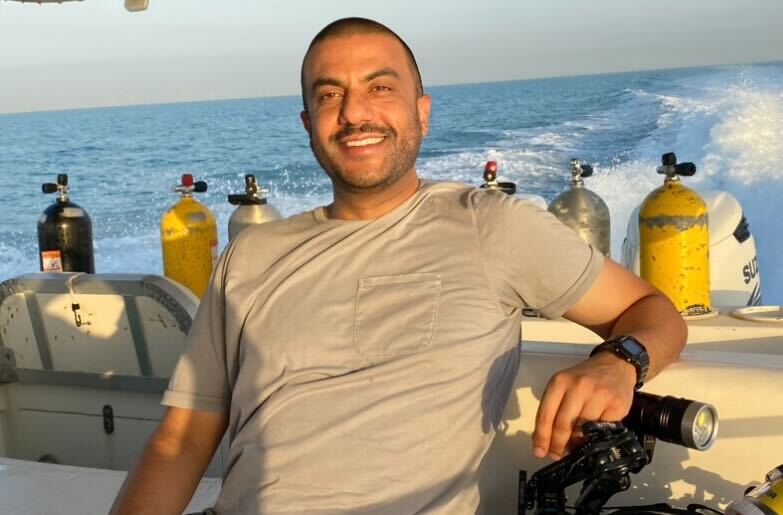
Field Work

Quantitative Tools
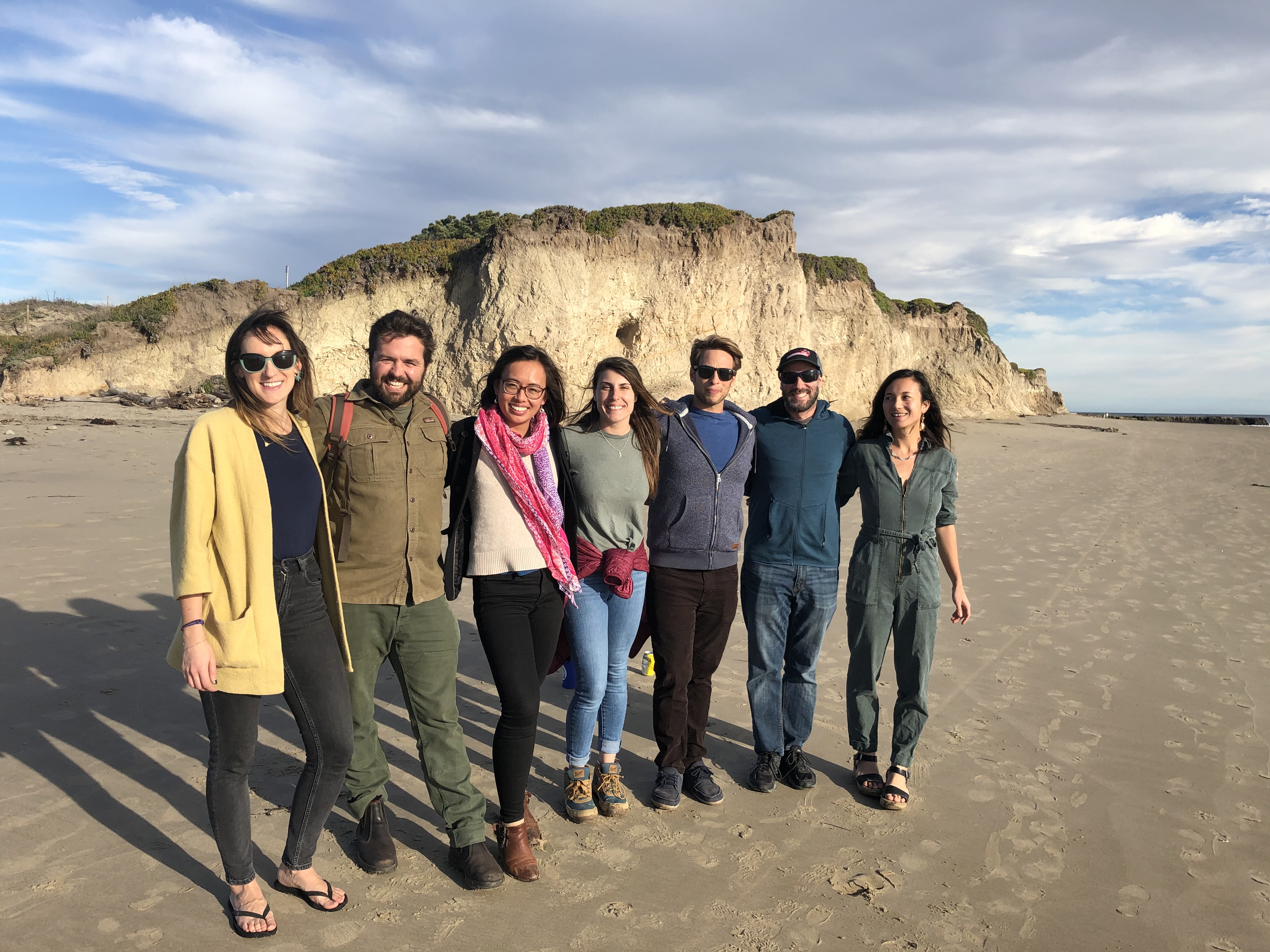
Team Culture
How We Work
Field × Quant × Synthesis
We connect experiments to models and meta-analysis to inform action.
Decision Relevance
We co-design studies with agencies and NGOs for immediate, real-world use.
Place-Based Partnerships
Long-term collaborations in key reef and kelp systems drive our work.
Career Outcomes
Our alumni thrive in academia, government, NGOs, and data science.
We're a strong fit if you…
Positions by Role
Undergraduates
Typical projects
Field surveys, 3D image annotation, data QA/QC, literature curation.
Compensation
Course credit or hourly stipend (funding-dependent).
Hours/week
6–10 during term; 15–20 in summer.
Programs
UCSB research credit, REU.
Graduate (MS/PhD)
Typical projects
Field experiments, quantitative models, and synthesis for recovery.
Support
Fellowships, TA-ships, and grants.
Expectations
Full-time, collaborative work producing publishable chapters.
Programs
EEMB, IGPMS.
Postdocs
Typical projects
Lead multi-site experiments, develop quantitative pipelines, co-produce tools.
Funding
Typically external with co-developed proposals.
Term
18–24 months, renewal funding-dependent.
Support
Strategic advising, leadership, and co-mentoring provided.
Application Timeline
Typical PhD cycle (EEMB/UCSB) — Opens late Aug → Dec 1 application deadline → decisions late Feb–Mar → national decision Apr 15.
Please verify all dates on the official EEMB and UCSB Graduate Division websites.
Expectations & Values
What I Expect
- Curiosity that drives you to ask questions and seek answers
- Willingness to combine field, quantitative, and synthetic approaches
- Engagement with the broader scientific community—seminars, reading groups, collaboration
- A spirit for interaction: science happens at whiteboards, in the field, and over coffee
What You Can Expect
- Direct mentorship that evolves as you gain independence
- Support for your research ideas—I help students develop projects, but expect you to lead
- Help securing funding through fellowship applications and grants
- A focus on your growth as a scientist, not grades
Graduate school is a means to an end: becoming an independent scientist. I take mentorship seriously and admission is an implicit contract. My goal is to help you develop creativity, rigor, and the skills to succeed in academia, government, NGOs, or wherever your career leads.
Read our full lab valuesHow to Apply
Read Our Work
Familiarize yourself with our publications. Look at both recent papers and older ones to understand the questions we ask and approaches we take.
Prepare Your Materials
Attach a 1-page CV (PDF). If you have manuscripts, theses, or reports from prior research, include those too.
Write a Research Statement
Send a 1–2 page statement describing your research interests. Be specific: what questions drive you? What type of project do you envision? This helps me understand your thinking and whether we're a good fit.
Reach Out
Email me 3–4 months before application deadlines. Early contact helps us both assess fit before you invest time in a formal application.
What Our People Say
"I got to jump between the reef and R scripts in the same week. That mix made me faster and more confident as a researcher."
— Undergraduate researcher
"Mentorship here is hands-on without micromanaging. I received concrete feedback on proposals and papers, not just vibes."
— Graduate student
"Working with partner agencies meant our results didn't sit on a shelf—people actually used them to make decisions."
— Postdoctoral researcher
A World-Class Environment for Marine Science
UC Santa Barbara is the only major research university in the country located entirely on the ocean — and that proximity shapes everything we do.
Department of Ecology, Evolution & Marine Biology
EEMB is rated top 10 nationally for research impact and top 3 in Marine Science. Faculty have earned the Ecological Society of America's Eminent Ecologist Award, the MacArthur Award, and numerous fellowships.
The department founded NCEAS (National Center for Ecological Analysis and Synthesis) and leads five NSF Long Term Ecological Research sites across the Pacific and Antarctica.
Visit EEMBMarine Science Institute
Established in 1969, MSI ranks internationally as a leader in ocean and environmental research. Over 300 research projects are active at any time, supported by $120M+ in annual funding.
The 65,000 sq ft Marine Science Research Building overlooks the Pacific and brings together faculty from 14 disciplines. MSI also manages seven UC Natural Reserve sites for field research.
Visit MSITwo Long Term Ecological Research Programs
UCSB faculty lead two of NSF's flagship LTER sites, providing unparalleled access to long-term data, established field infrastructure, and global research networks.
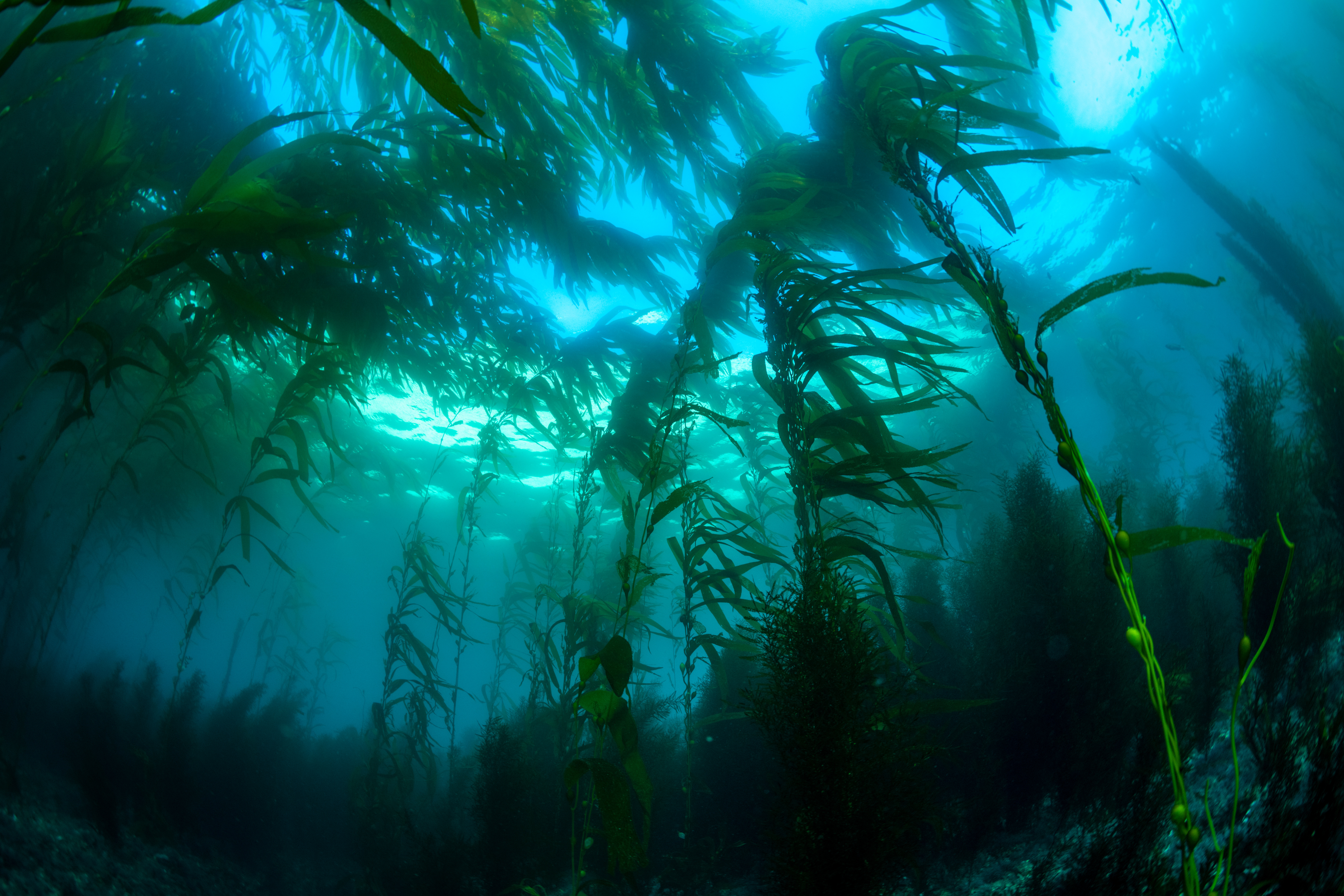
Santa Barbara Coastal LTER
Established 2000. Studies kelp forest dynamics along the California coast — tracking how environmental change, predator-prey interactions, and fisheries shape these productive ecosystems.
sbclter.msi.ucsb.edu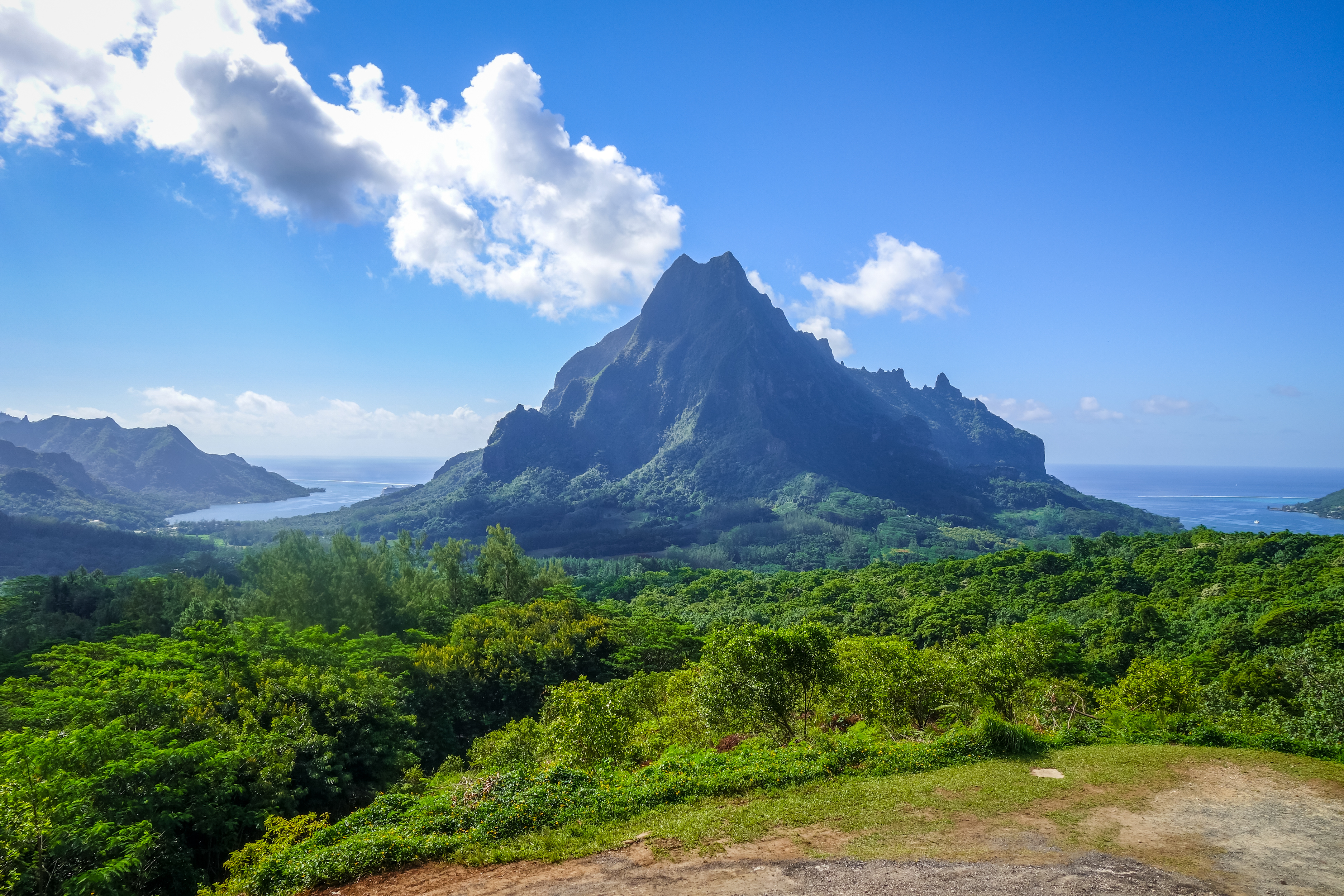
Moorea Coral Reef LTER
Established 2004. Studies coral reef dynamics in French Polynesia — investigating resilience, disturbance recovery, and the interactions that structure tropical reef communities.
mcr.lternet.eduLife on the Coast
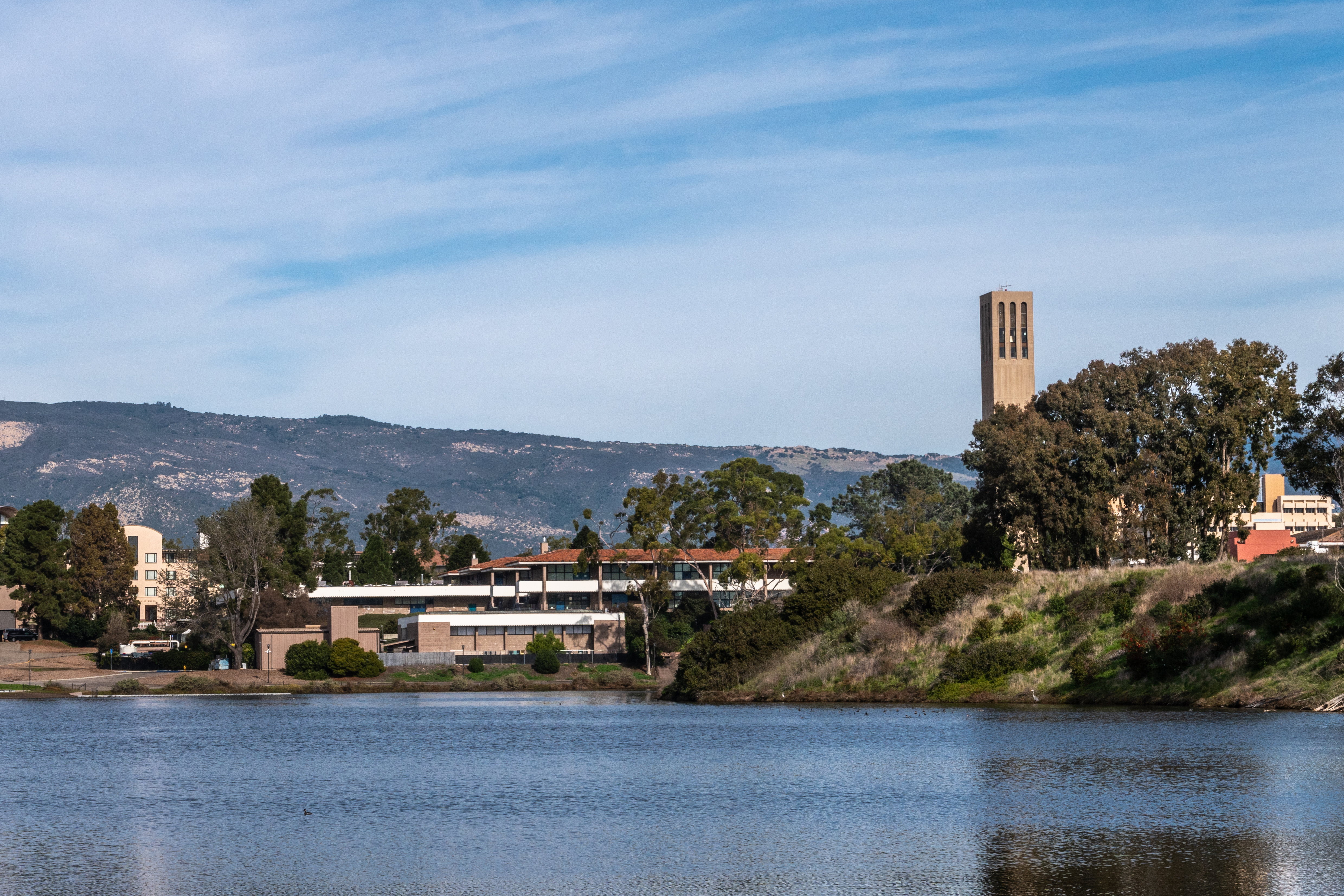
UCSB sits on a stunning coastal bluff where the campus literally ends at the beach. Surf between classes at Campus Point, bike the car-free paths, and enjoy year-round sunshine in one of California's most beautiful regions.
Frequently Asked Questions
Do you accept international students?
Yes. UCSB welcomes international applicants. Visa sponsorship is available for admitted students. Note that international students may have different fellowship eligibility, so external funding (home country fellowships, etc.) strengthens applications.
What fellowships should I apply for?
For U.S. citizens/permanent residents: NSF GRFP (apply senior year or first 2 years of grad school), Ford Foundation, NOAA fellowships. For international students: Fulbright, home country fellowships, or UCSB's Central Fellowship. We help students identify and apply for appropriate funding.
When do students typically start?
Most students start in Fall quarter (late September). Summer starts are occasionally possible for students with independent funding. The application deadline is December 1 for Fall admission.
Can I do a rotation or visit before applying?
Short visits during the application season (fall) can be arranged if schedules permit. We also host prospective students during EEMB's recruitment weekend in late winter. For longer stays, consider the NSF REU program or contact me about summer research opportunities.
What's your mentoring style?
I provide hands-on guidance early on, then step back as you develop independence. I expect regular communication (weekly meetings initially), engagement with the broader lab and department, and a balance of field work and quantitative analysis. My goal is for you to leave as an independent scientist.
What's your approach to diversity and inclusion?
Science benefits from diverse perspectives. We actively recruit from underrepresented groups and work to create an inclusive lab environment. UCSB is a Hispanic-Serving Institution and has strong support programs for first-generation and underrepresented students.
Start Your Application
Send Adrian an email introducing yourself and your interests. We look forward to hearing from you.