2026
Understanding predator-prey dynamics, foundation species stability, and fisheries benefits along the California coast.
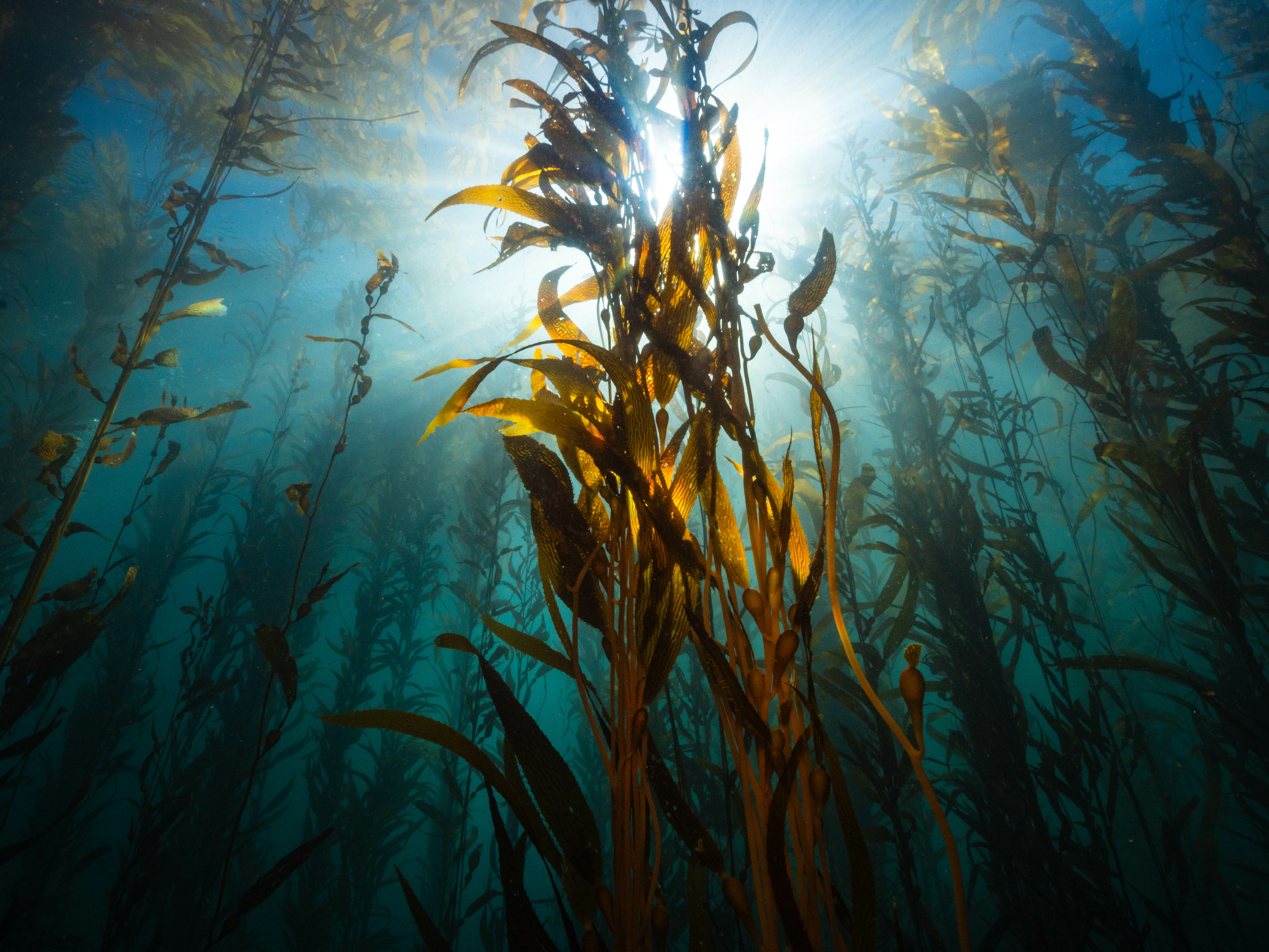
The Santa Barbara Channel offers exceptional conditions for studying kelp forest dynamics. Consistent upwelling drives high productivity, the Channel Islands create natural gradients of fishing pressure and oceanographic conditions, and established marine protected areas provide large-scale experimental contrasts. These features make it one of the best places in the world to study how predator-prey dynamics shape temperate reef ecosystems.
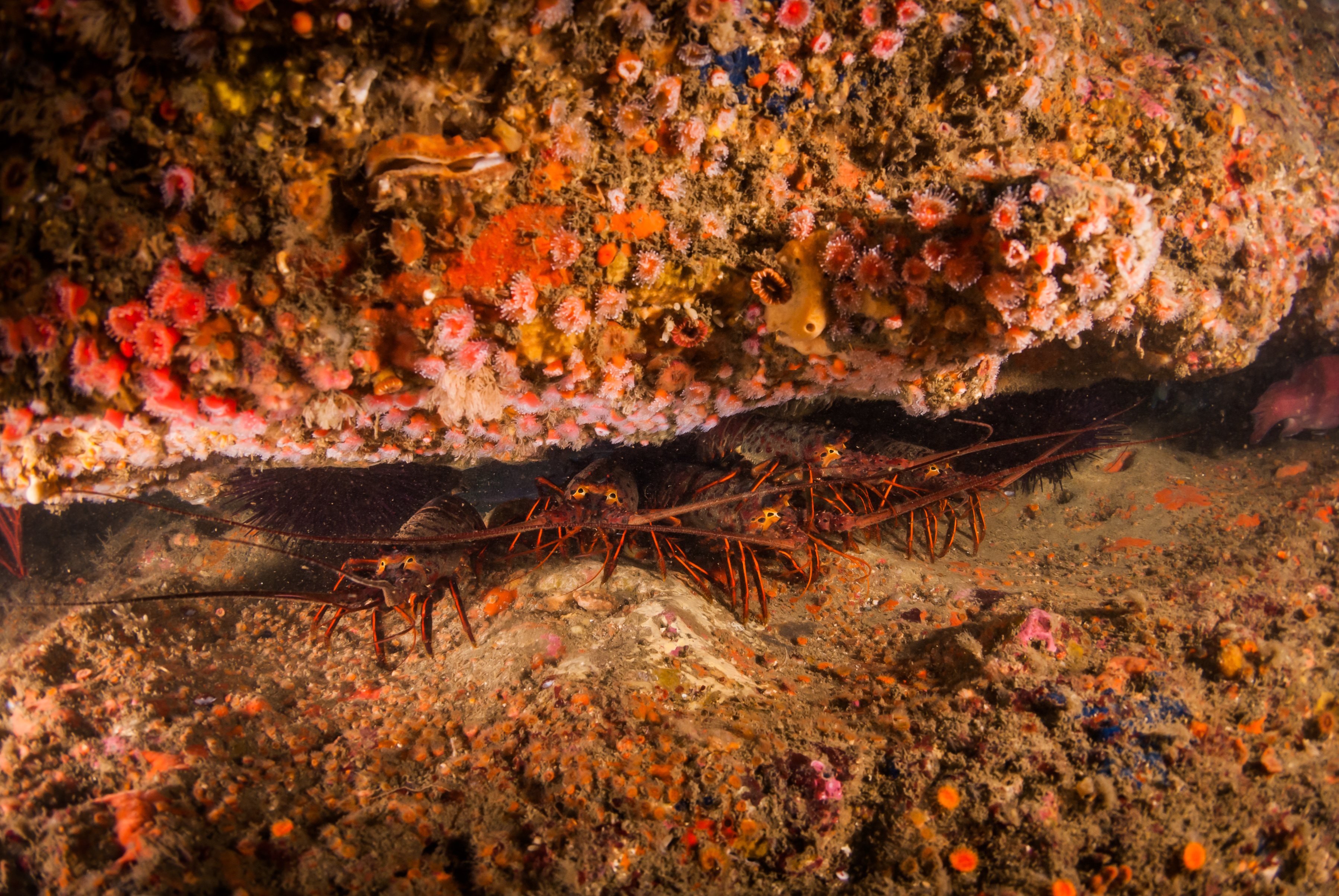
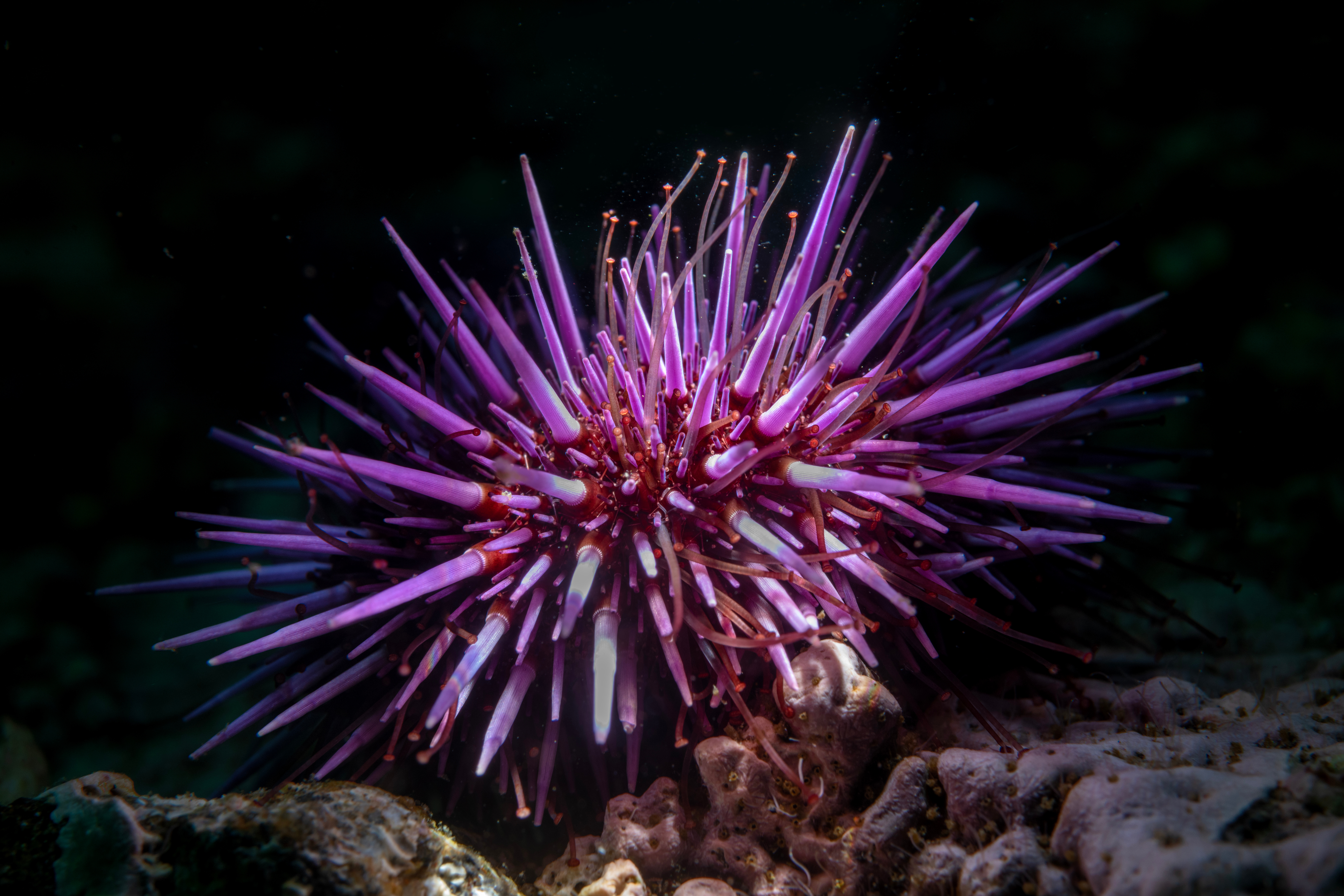
Our research focuses on the interactions between spiny lobsters, sea urchins, and kelp—using field experiments, long-term monitoring data, and population models to understand ecosystem dynamics and inform fisheries management. We combine laboratory experiments on predator physiology with 20+ years of continuous field monitoring through the SBC Long Term Ecological Research site, detecting patterns that shorter studies miss.
A window into the types of questions driving our research in kelp forests.
What keeps urchin populations in check and prevents kelp forest collapse?
How do marine protected areas benefit both conservation and fisheries?
Why do some kelp forests recover quickly while others become urchin barrens?
How does warming affect the predators that control urchin outbreaks?
Breakthrough insights from our research. Click or press Enter to reveal details
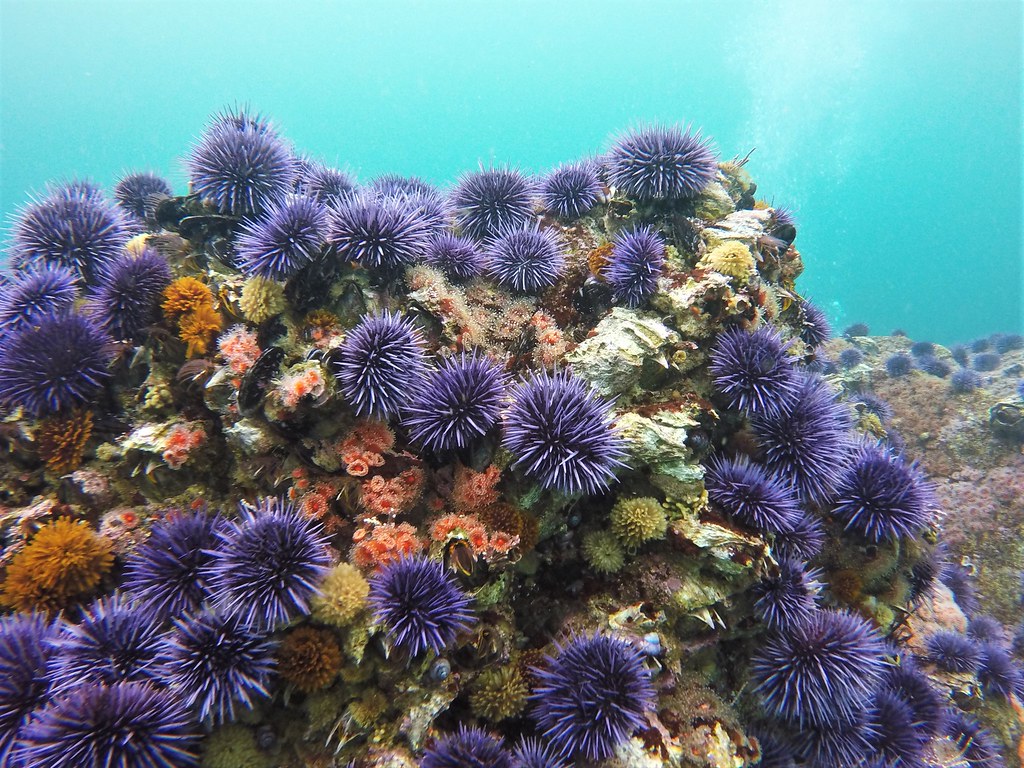
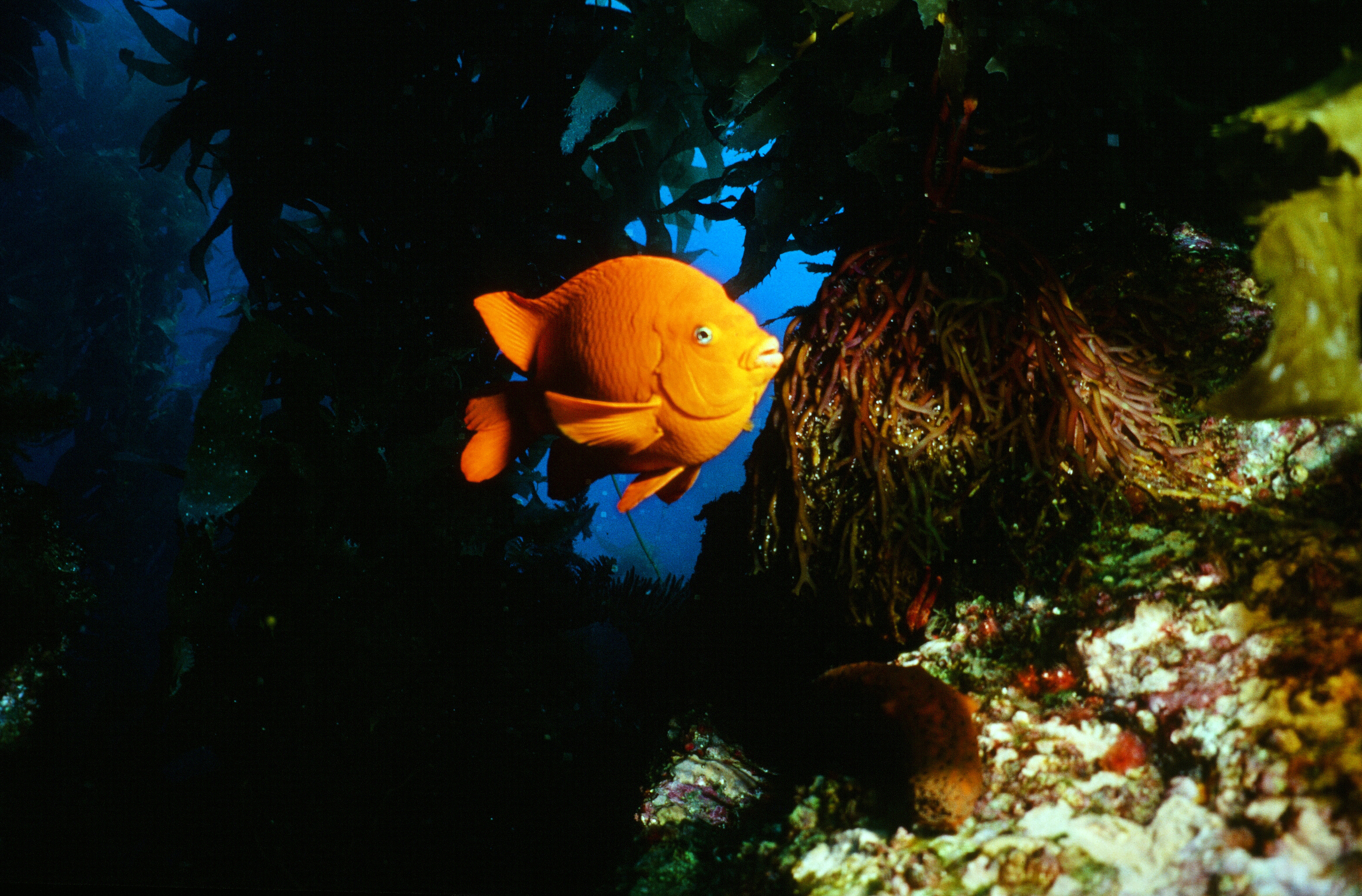
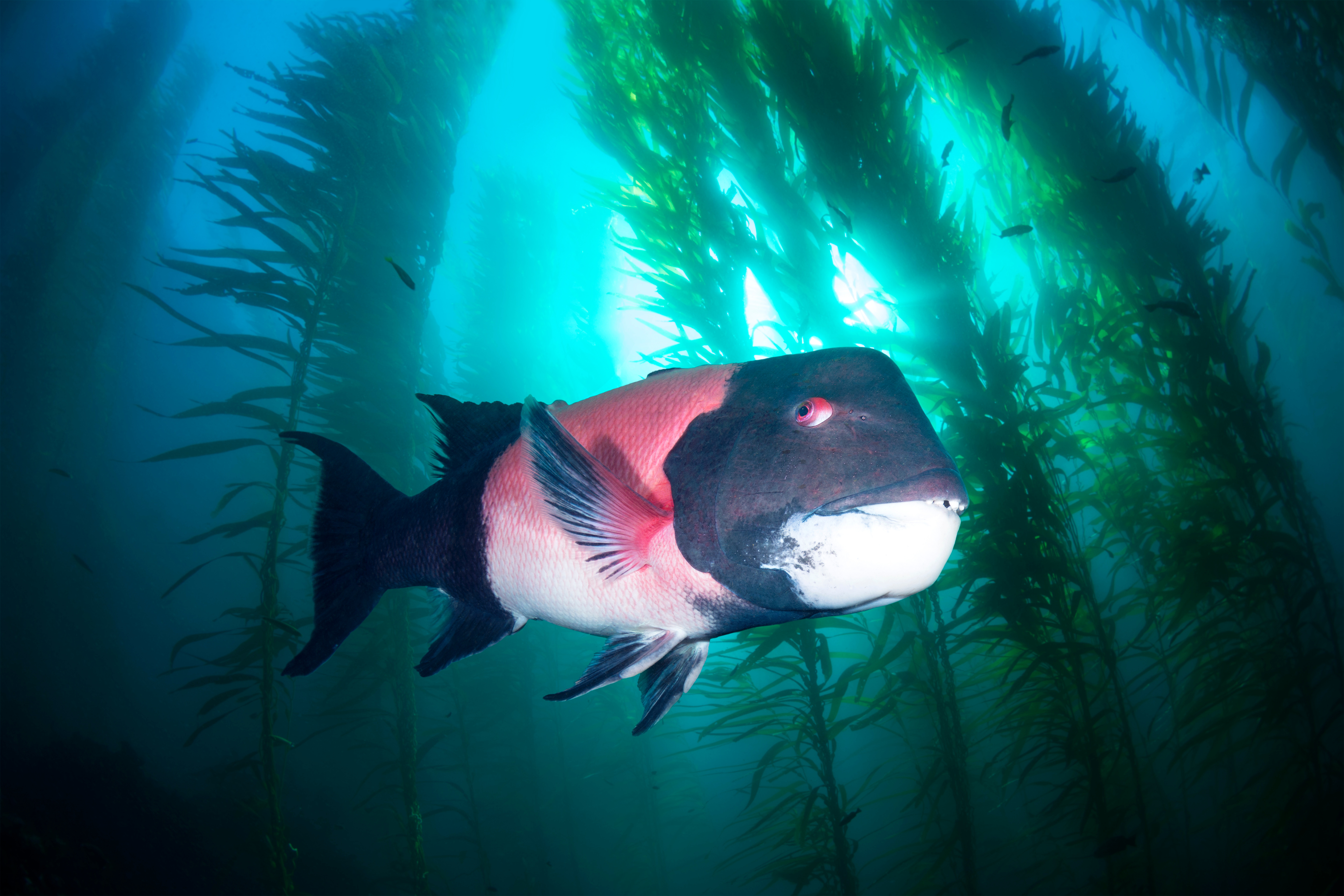
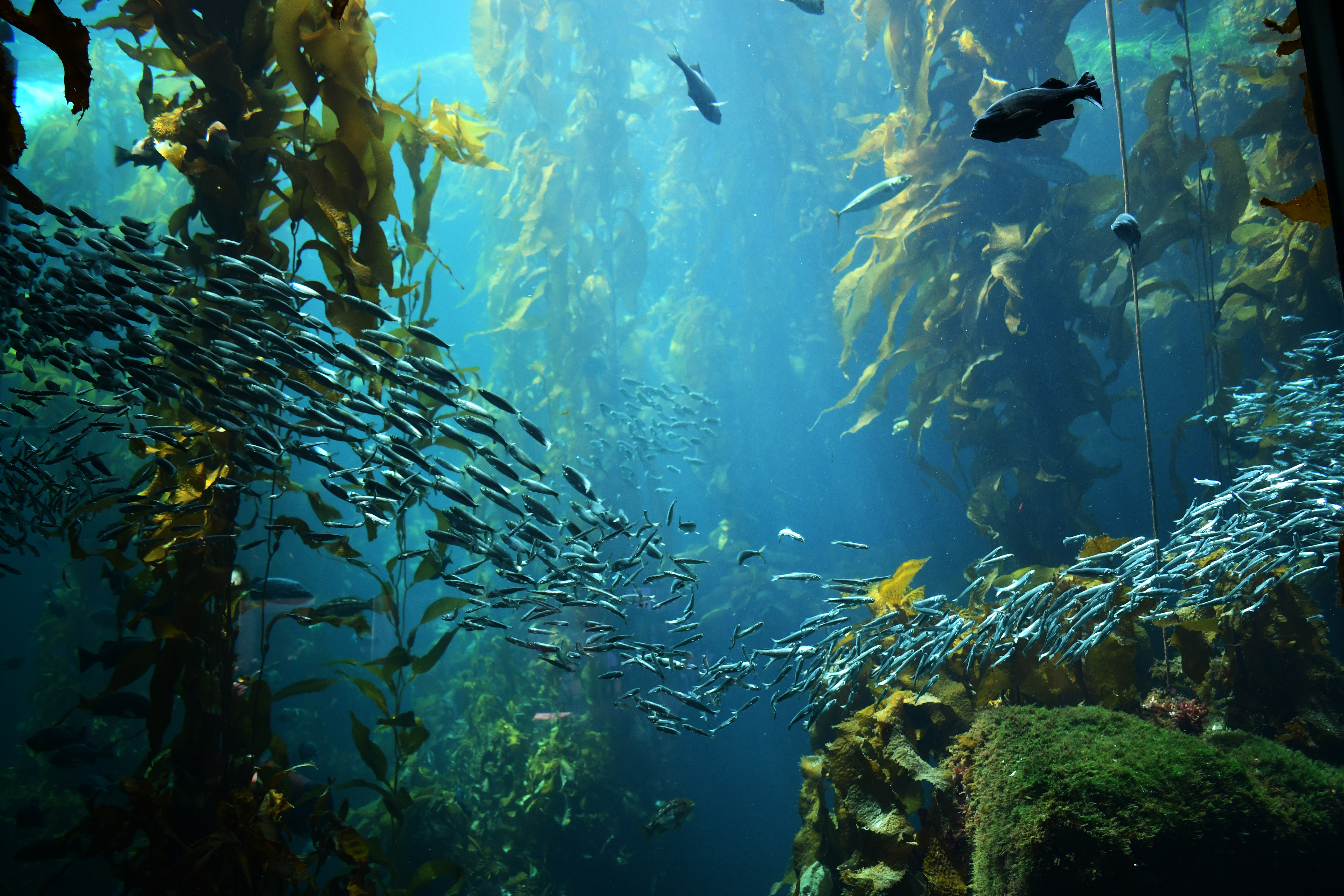
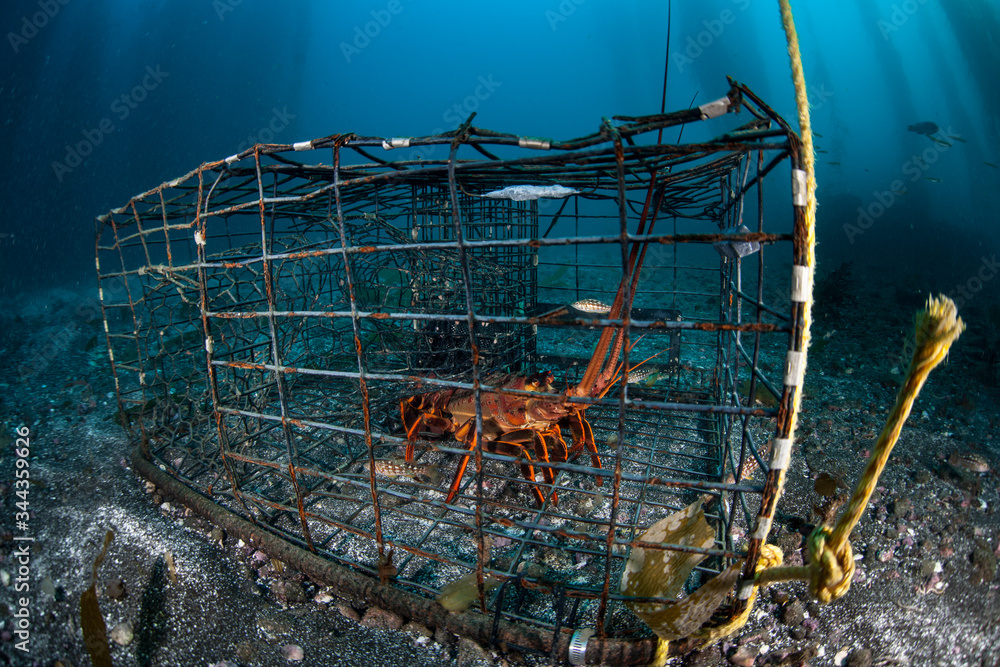
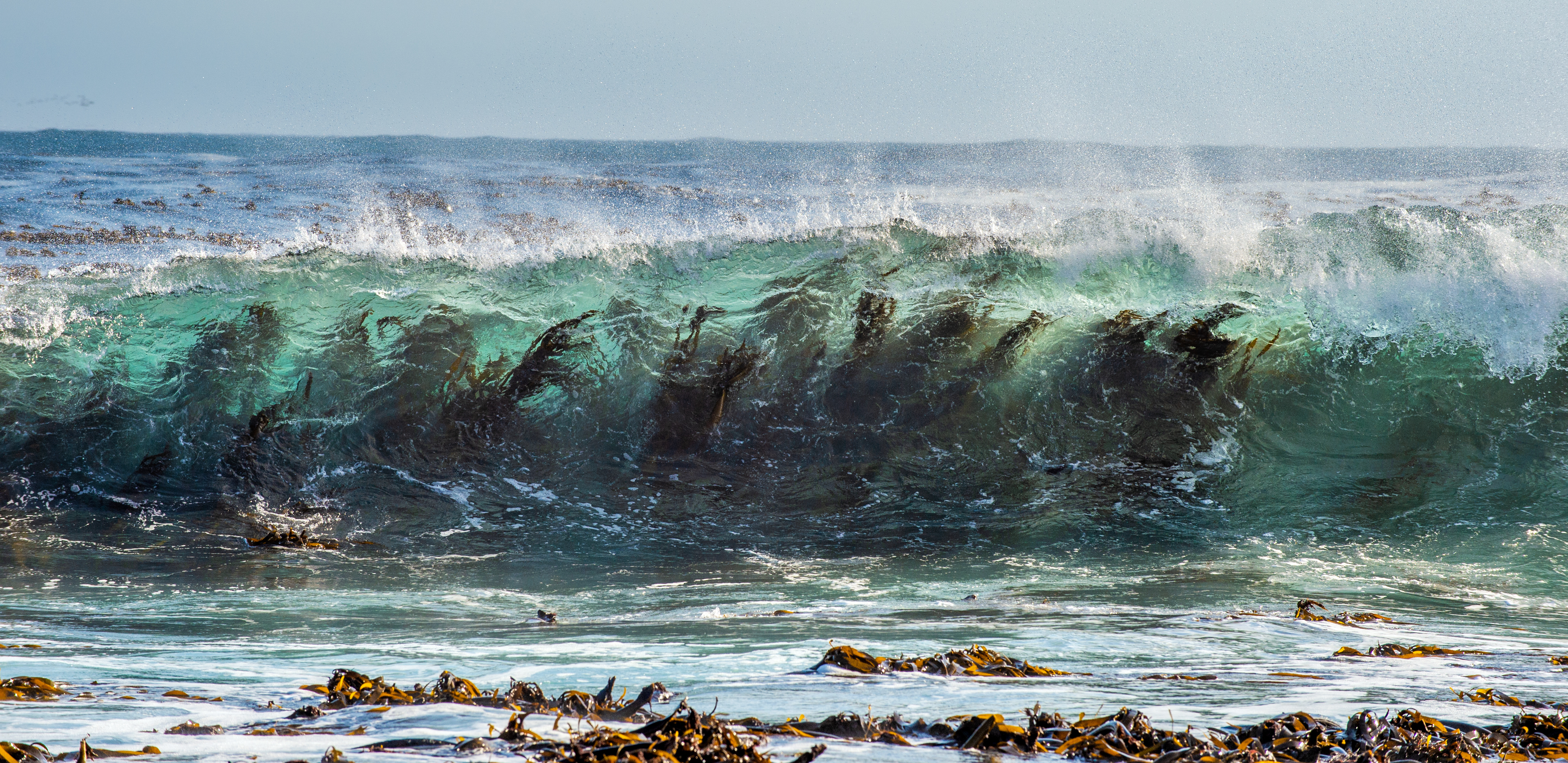

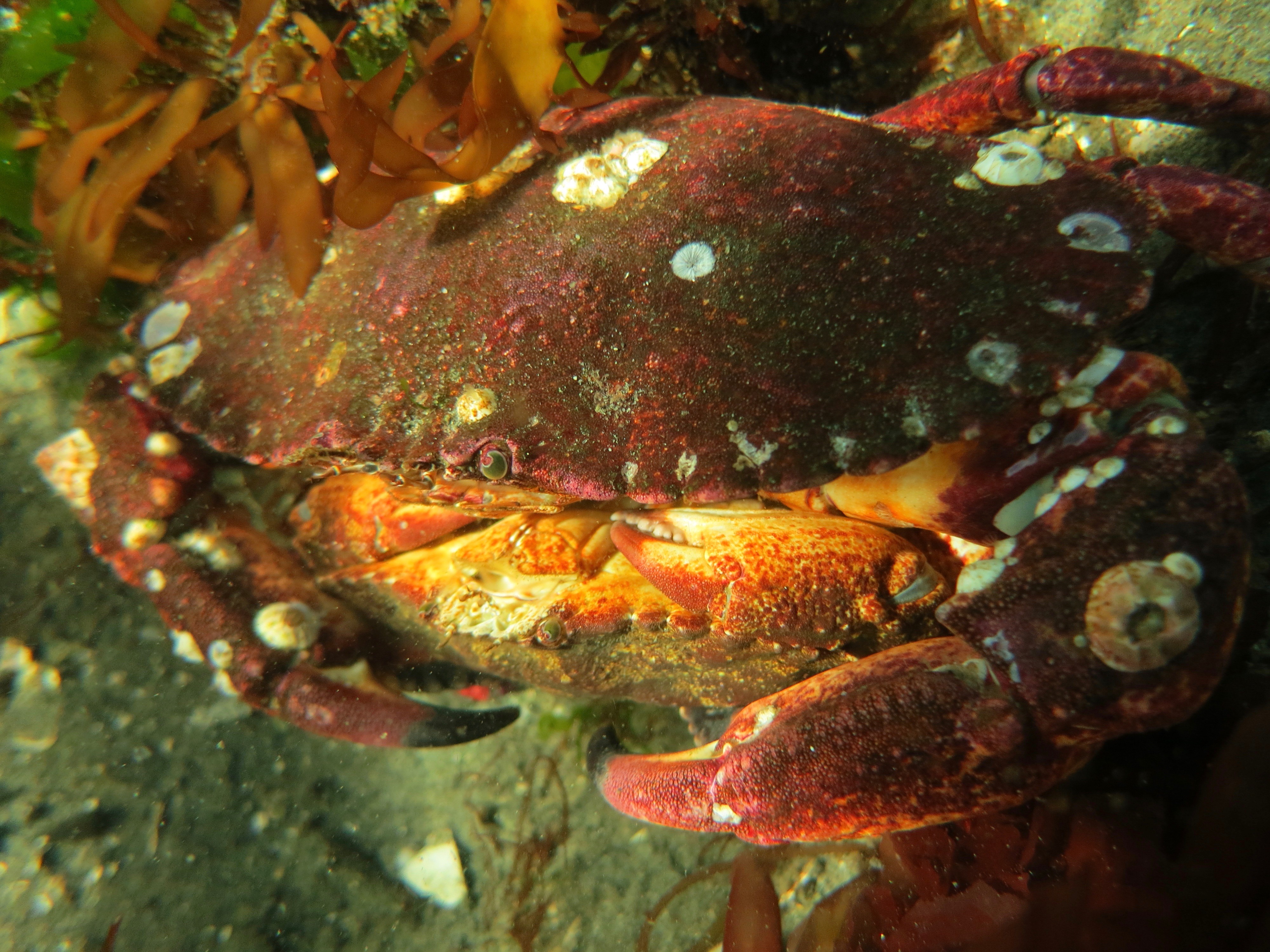
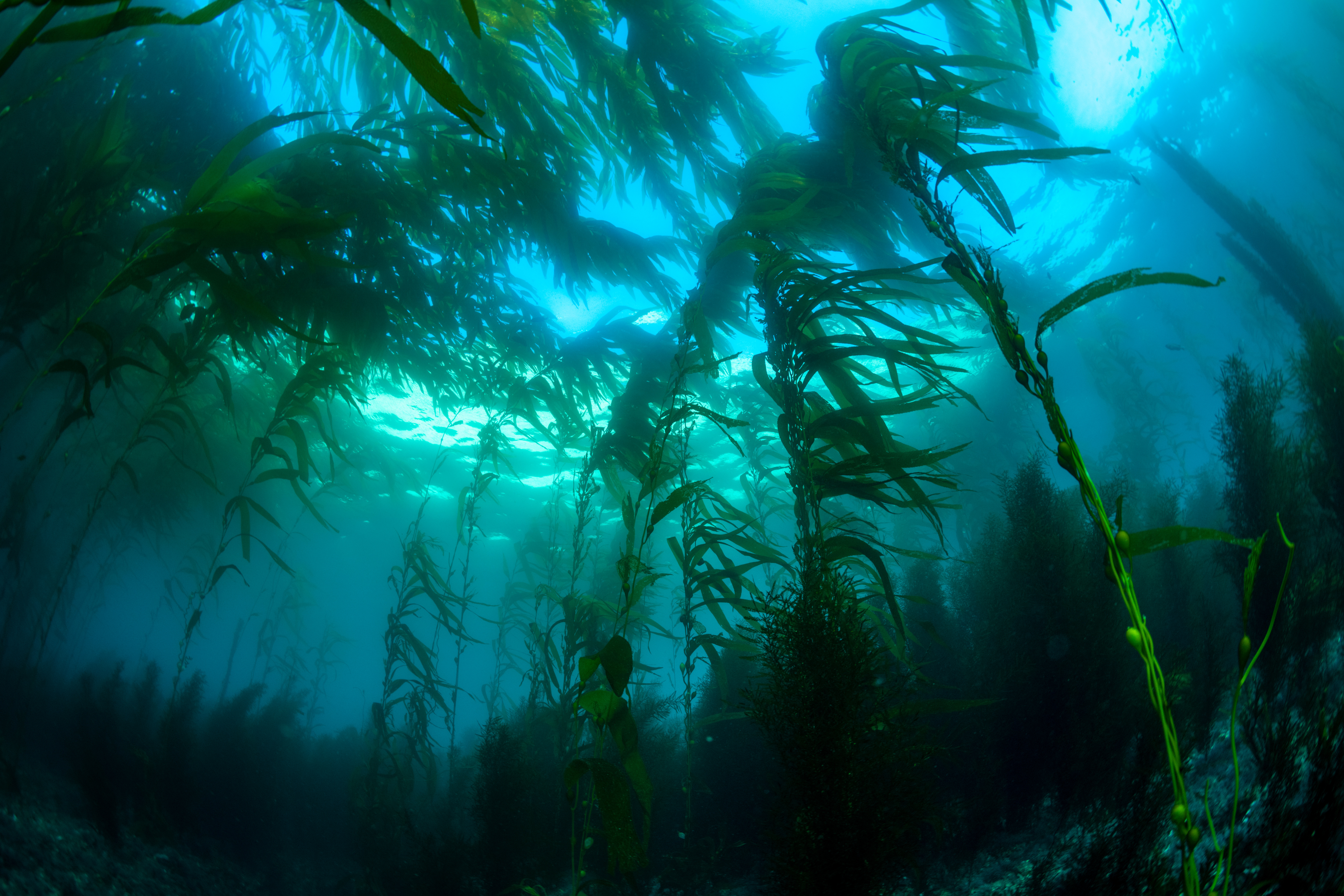
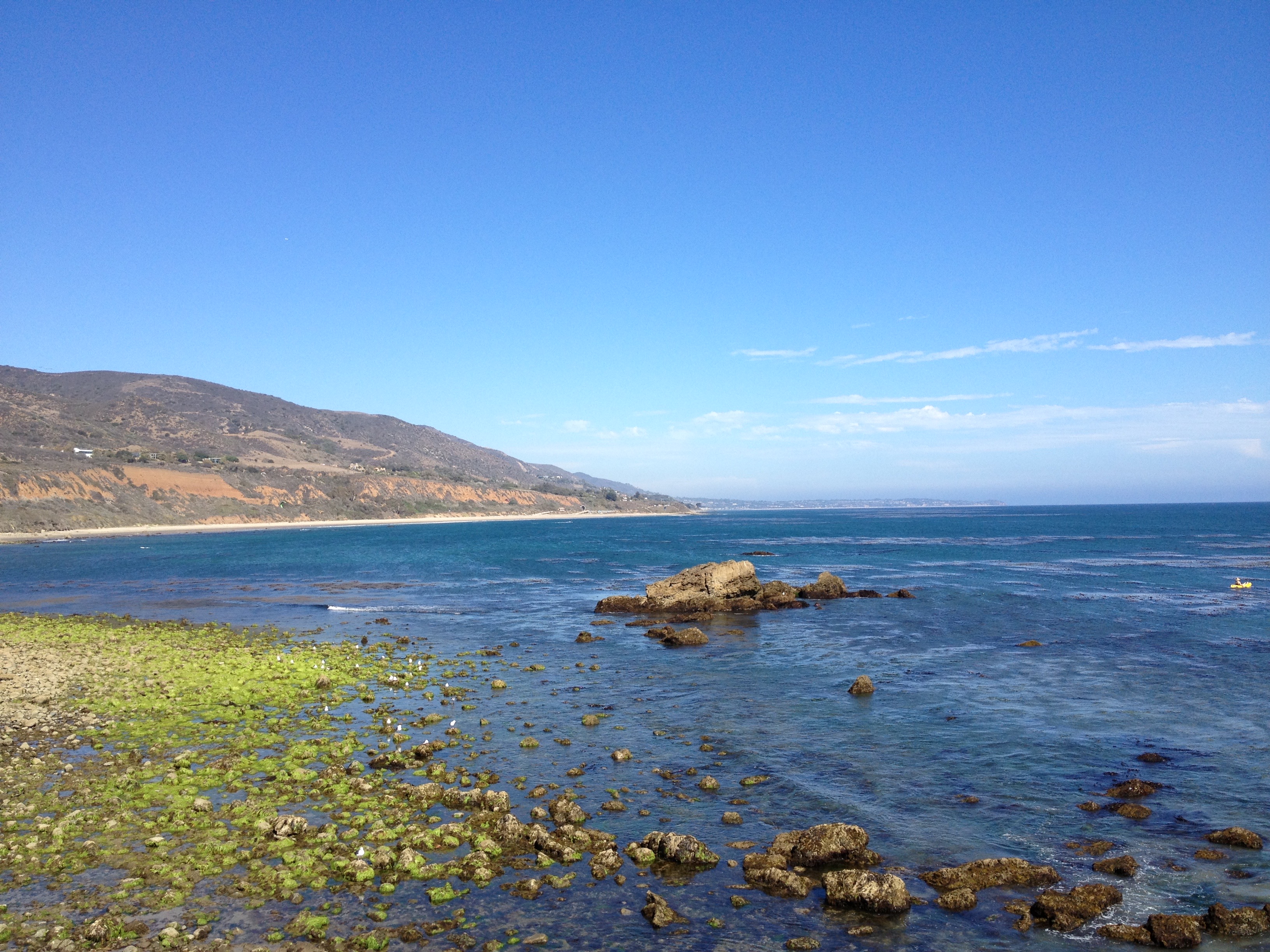
Santa Barbara Channel, California
A 100 km stretch of coast from Pt. Conception to Ventura, with giant kelp beds, rocky reefs, and established marine protected areas. Two decades of baseline data let us separate natural cycles from long-term trends.
Visit LTER Site 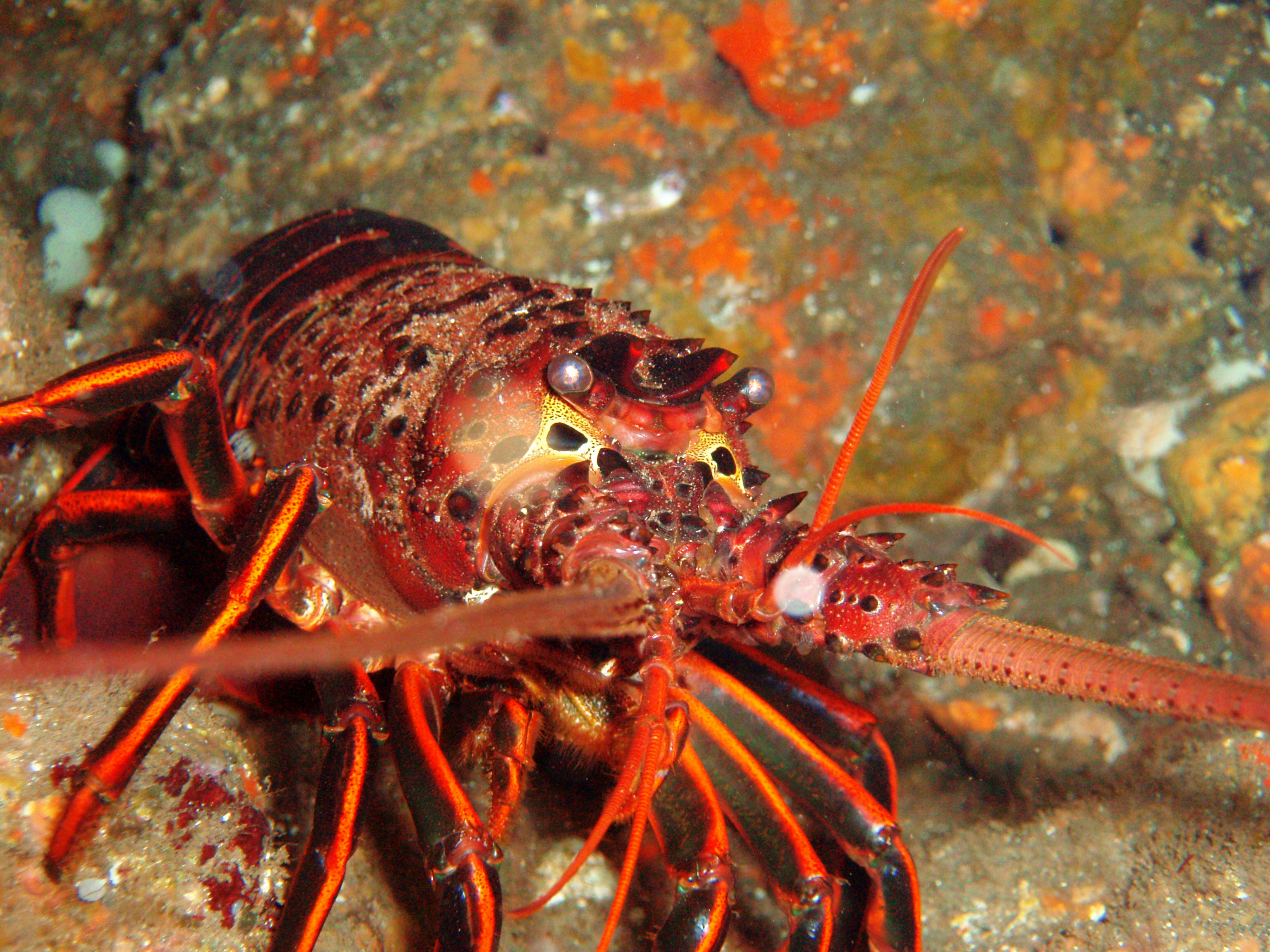
Read accessible summaries of our latest research in kelp forests.
A PNAS synthesis of 146 marine fish-community time series shows that species richness and asynchronous biomass fluctuati...
Read More Researchers studied how temperature affects both the metabolism and predation rates of California spiny lobsters, findin...
Read More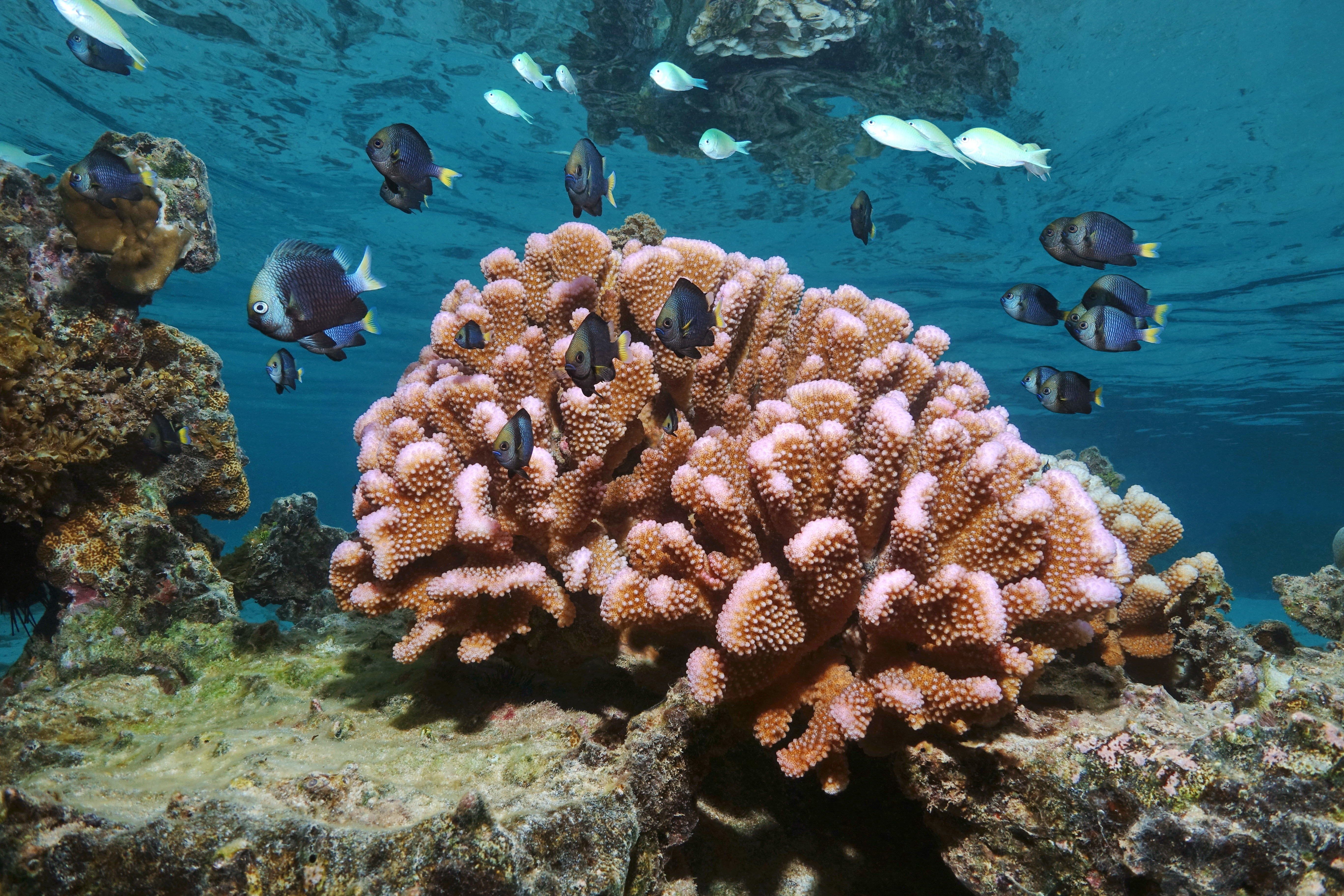
Researchers used underwater 3D photography to measure coral colonies and found it provides more accurate measurements of...
Read More Researchers studied how variation in body size affects the strength of interactions between lobsters and sea urchins acr...
Read More Researchers compared spiny lobster populations around California marine reserves after 10 years of protection and found ...
Read More Scientists discovered that sea urchins cause severe kelp forest collapse when their grazing overwhelms kelp production, ...
Read MoreExplore our other research areas or get in touch to discuss potential collaborations.