2026
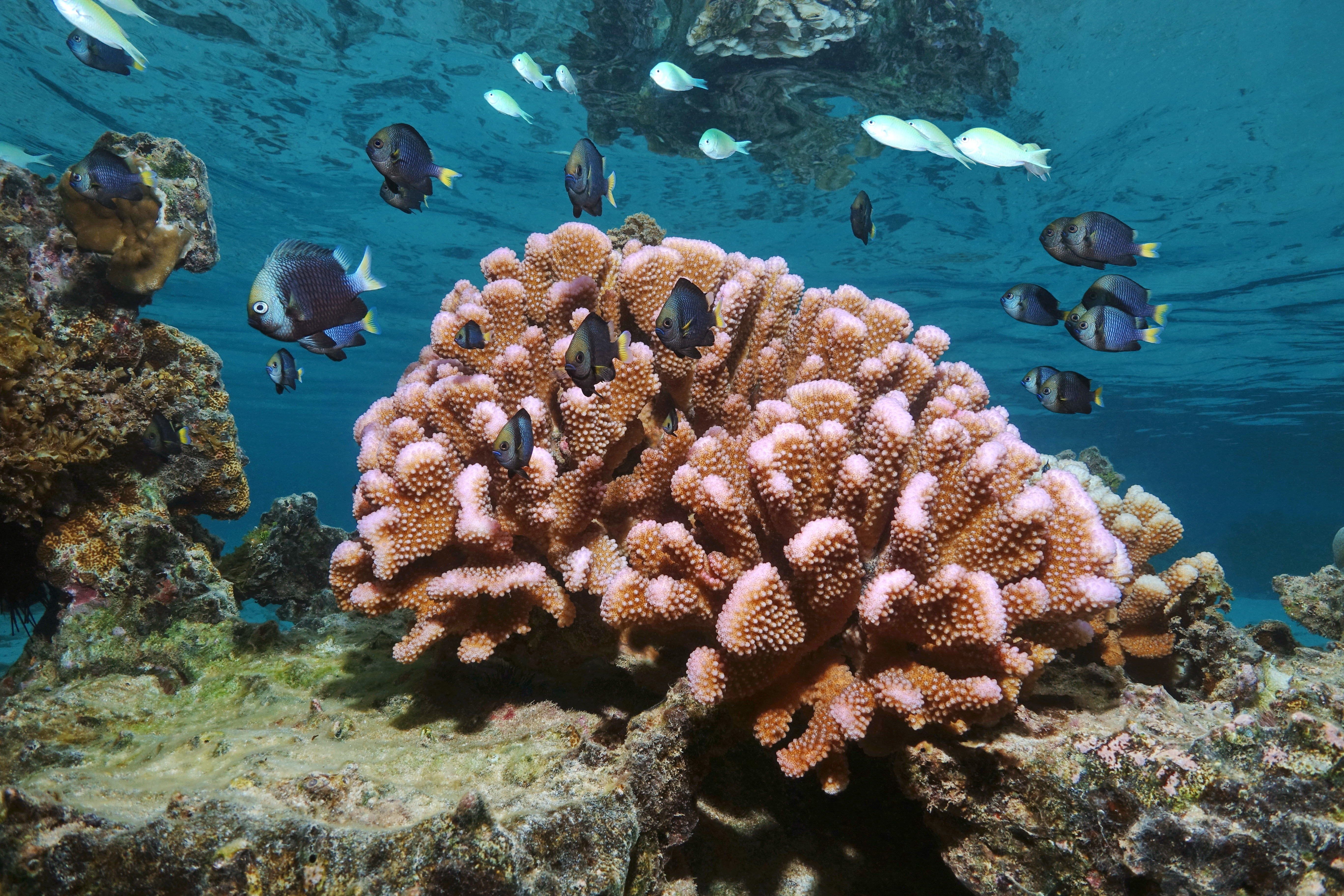
Field experiments and models reveal how biotic interactions, disturbance legacies, and species associations shape coral resilience.
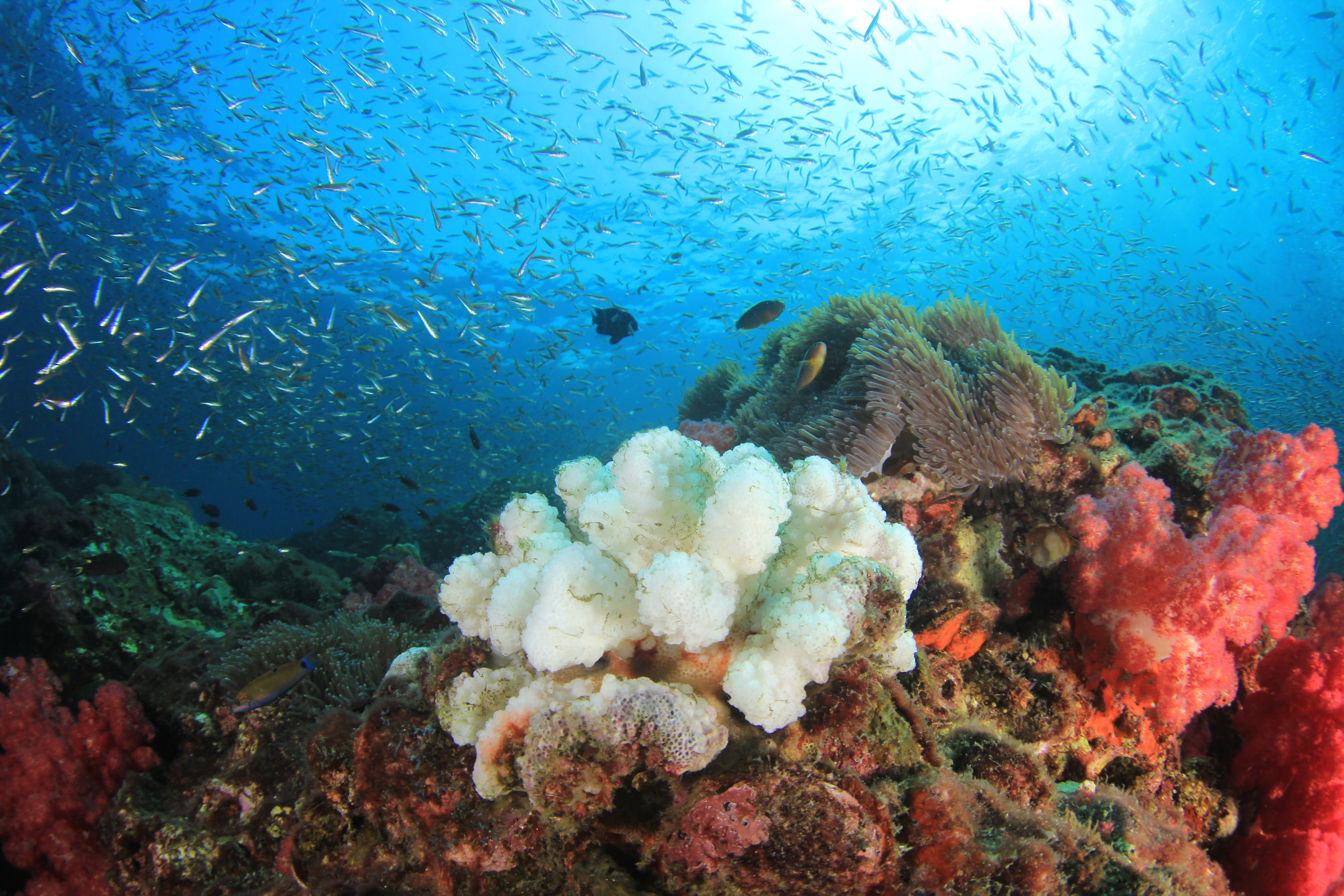
Mo'orea, French Polynesia offers an ideal natural laboratory for studying coral reef resilience. The island's fringing reefs—accessible by shore, sheltered by a barrier reef, and spanning distinct habitat zones—allow controlled field experiments that would be impossible on more remote or fragmented reef systems. This accessibility has enabled decades of continuous research on the same reef communities.
Our work here combines long-term field experiments with mathematical models to understand what drives coral recovery. We study how coral-associated fishes and invertebrates influence coral health, how disturbance legacies affect recovery trajectories, and how predator-prey interactions structure reef communities. The MCR Long Term Ecological Research site provides unparalleled baseline data—tracking reef recovery after cyclones, crown-of-thorns outbreaks, and bleaching events since 2004.
A window into the types of questions driving our research in coral reefs.
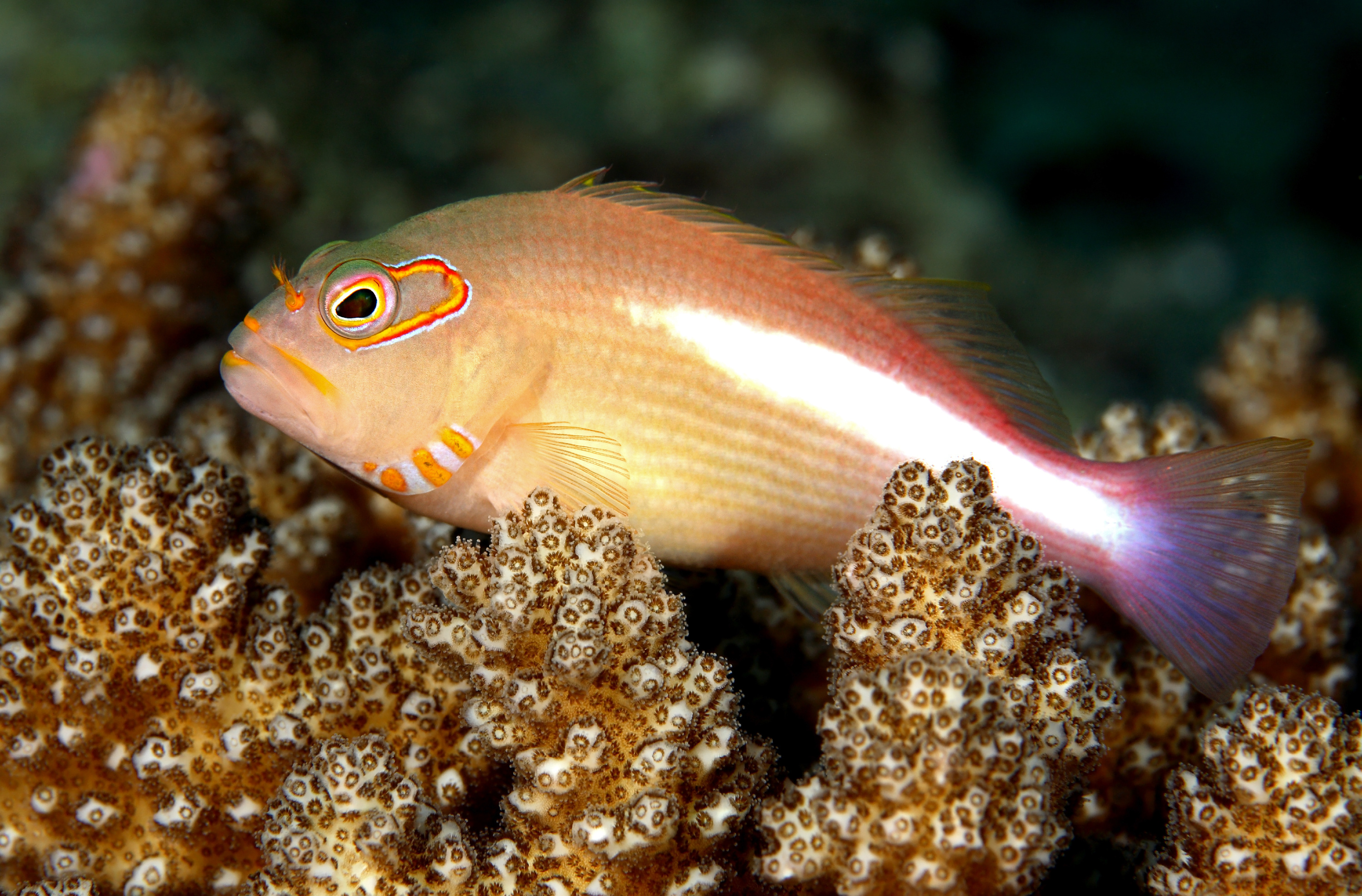
How do coral-associated fishes and invertebrates benefit coral health and resilience?
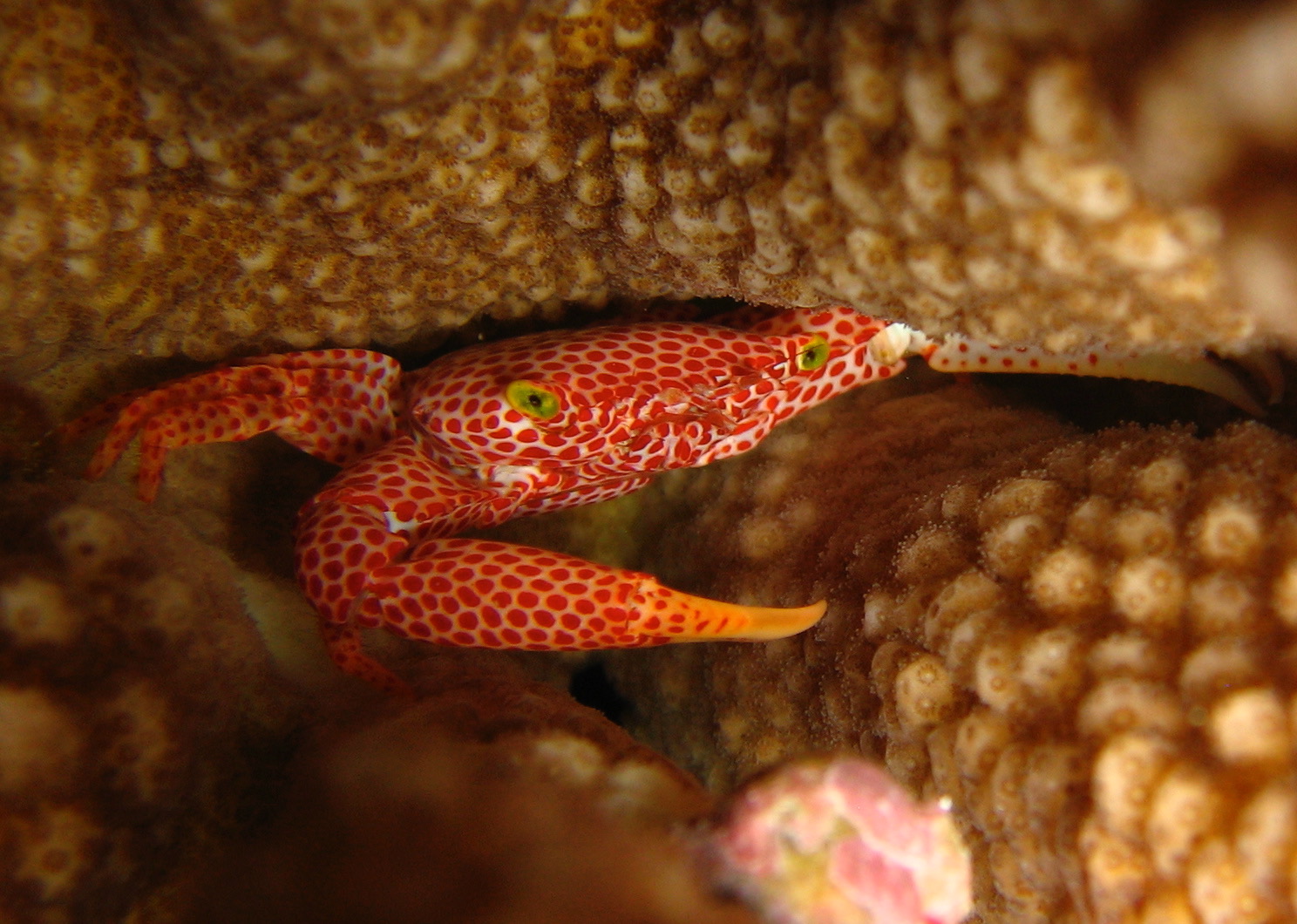
What role do guard crabs play in protecting corals from predators and competitors?
How do disturbance legacies (like dead coral skeletons) affect reef recovery?
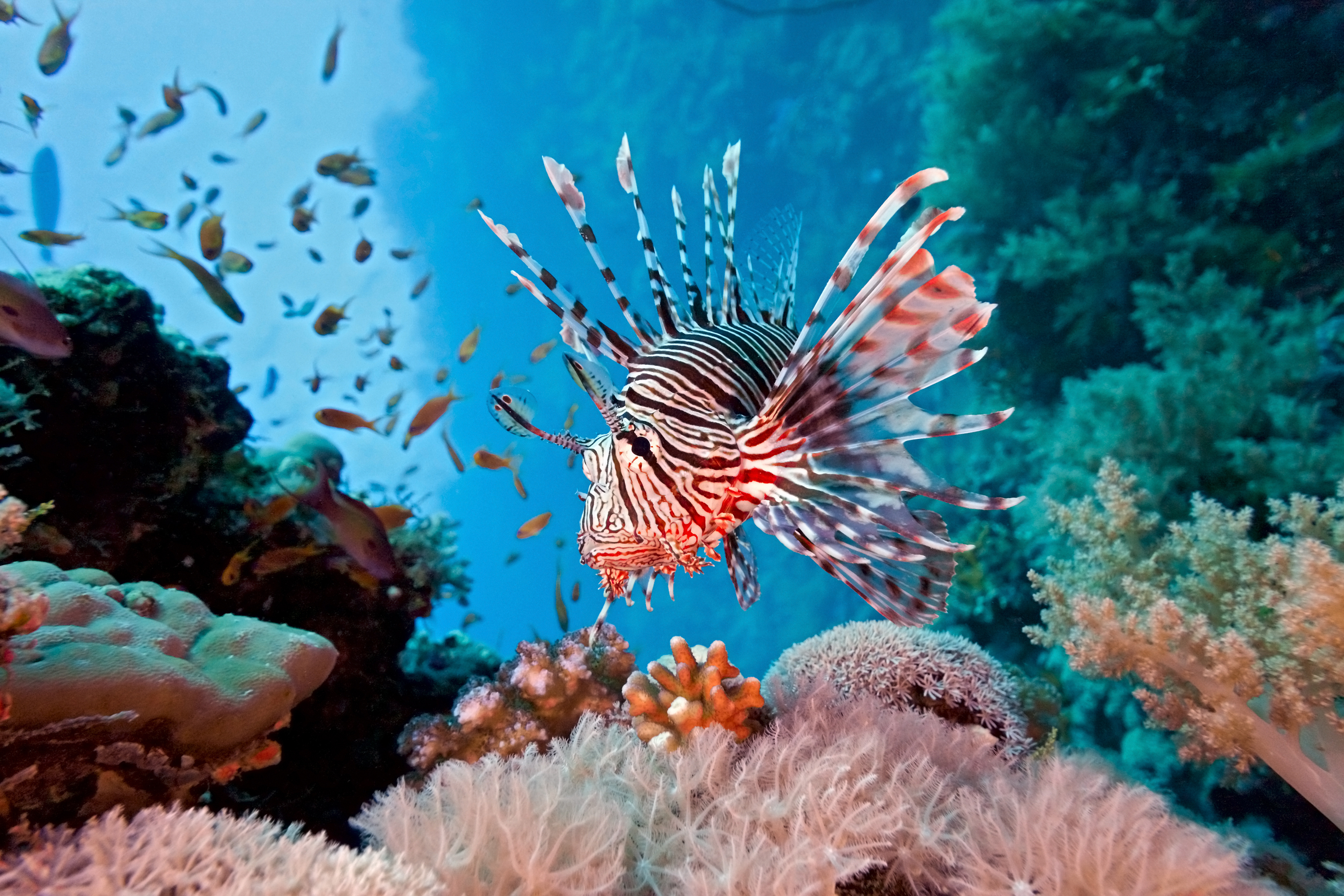
How do predators structure coral reef fish communities?
Can fish-derived nutrients help corals resist or recover from bleaching?
Why do remote reefs show similar vulnerability to climate change as reefs near human populations?
Breakthrough insights from our research. Click or press Enter to reveal details
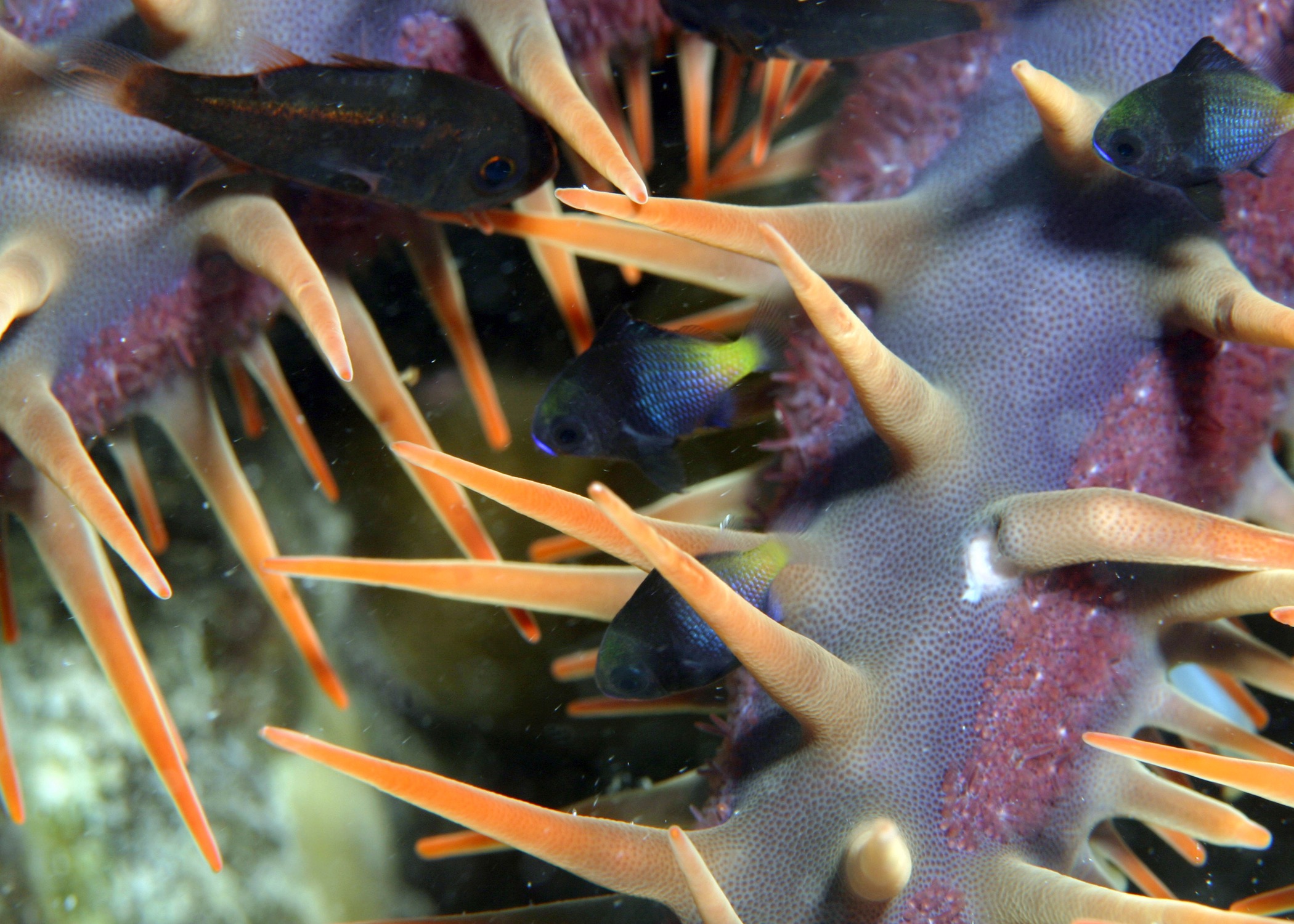
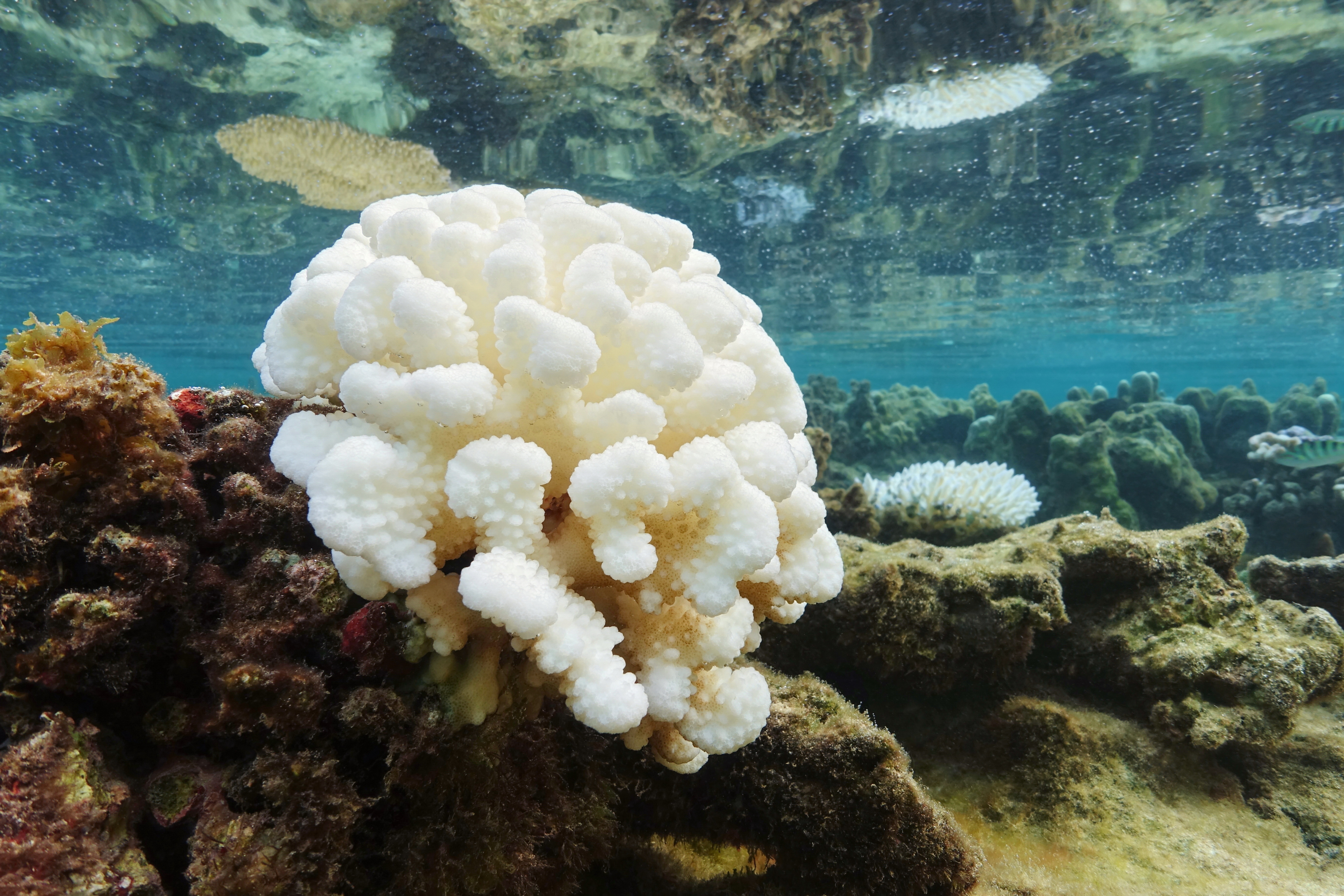
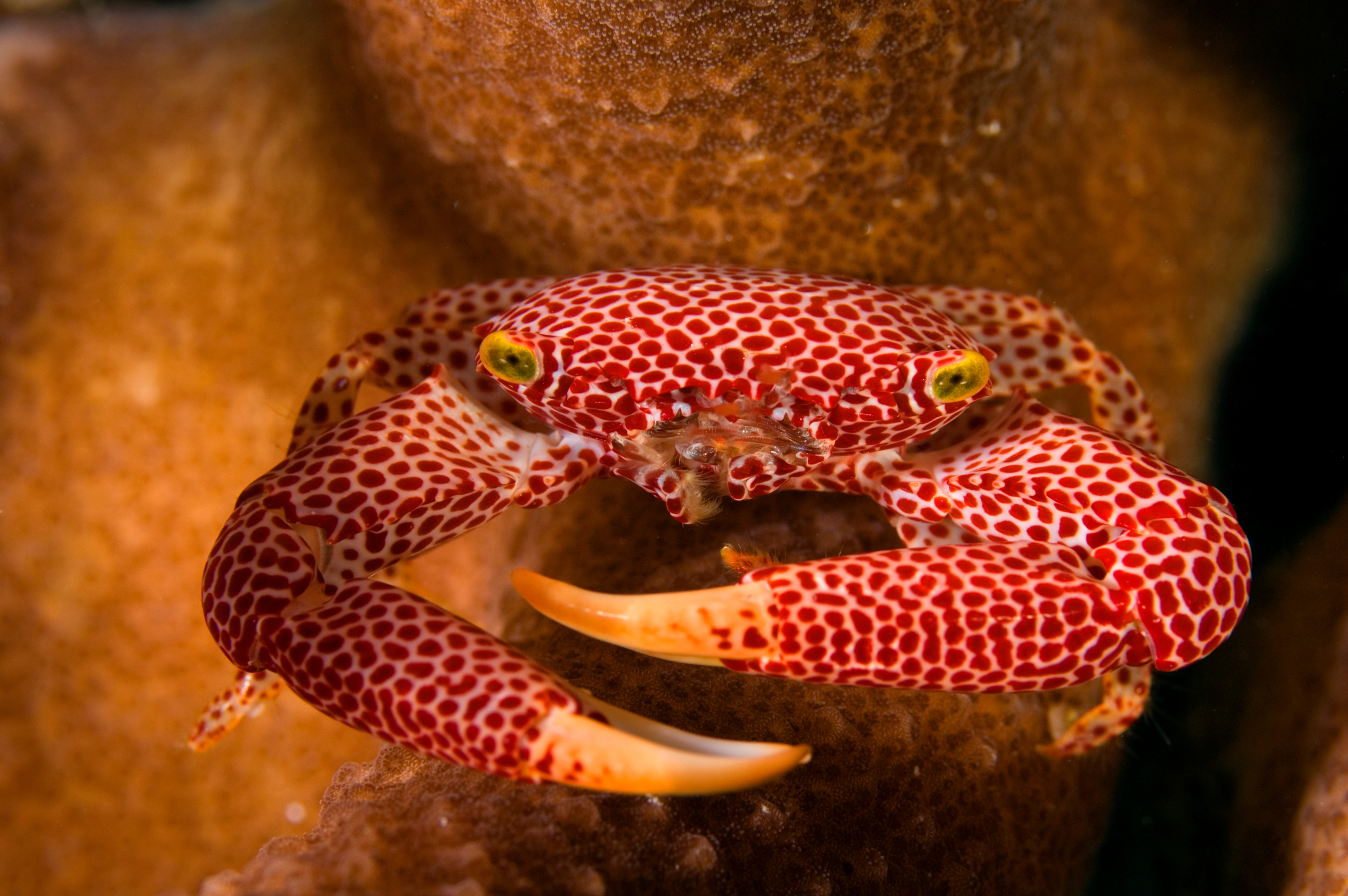
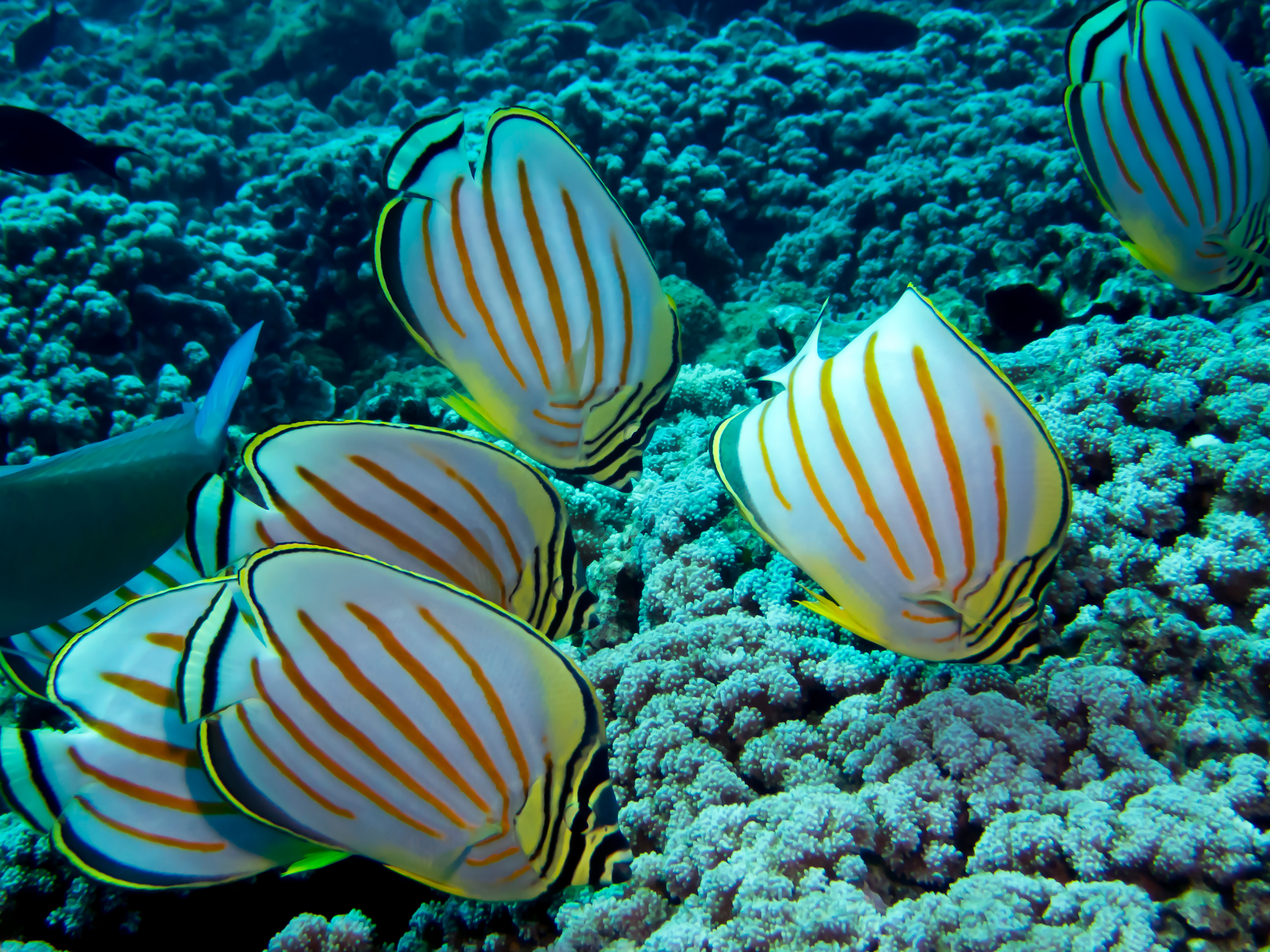

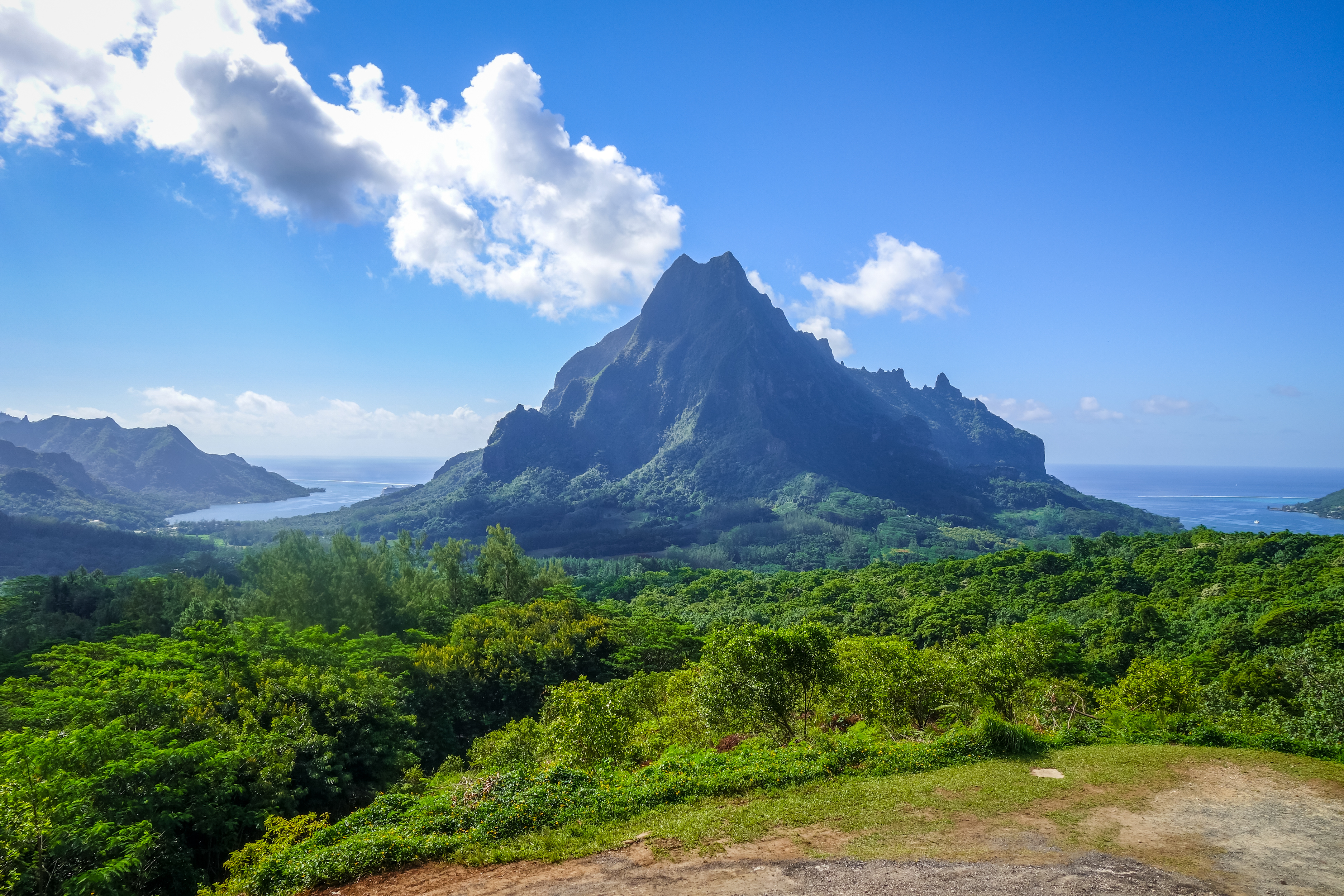
Moorea, French Polynesia
A volcanic island 17 km northwest of Tahiti, with a well-characterized reef system that provides the perfect setting for experimental ecology. Twenty years of continuous monitoring give us the context to interpret our experiments within real ecosystem dynamics.
Visit LTER Site 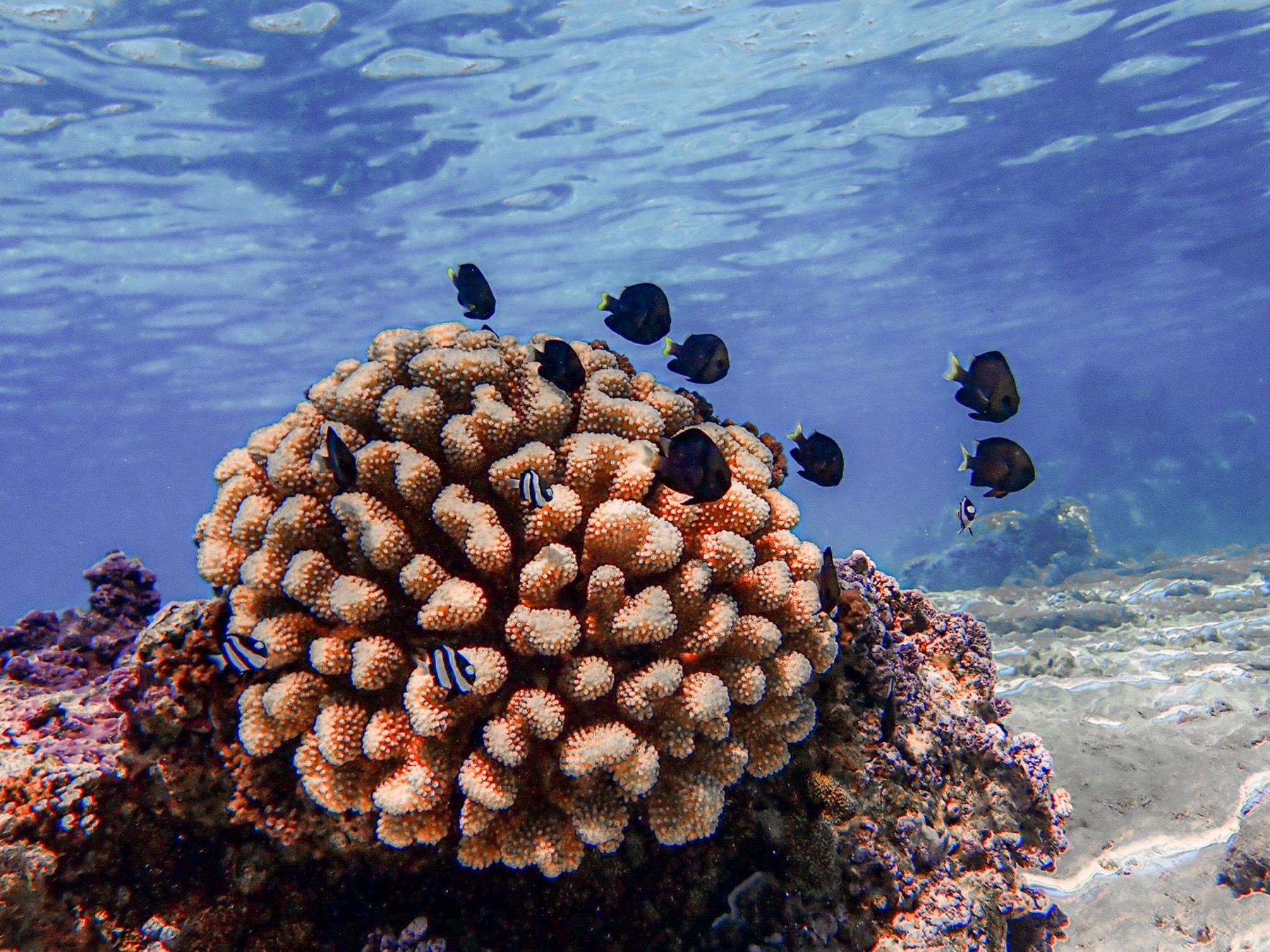
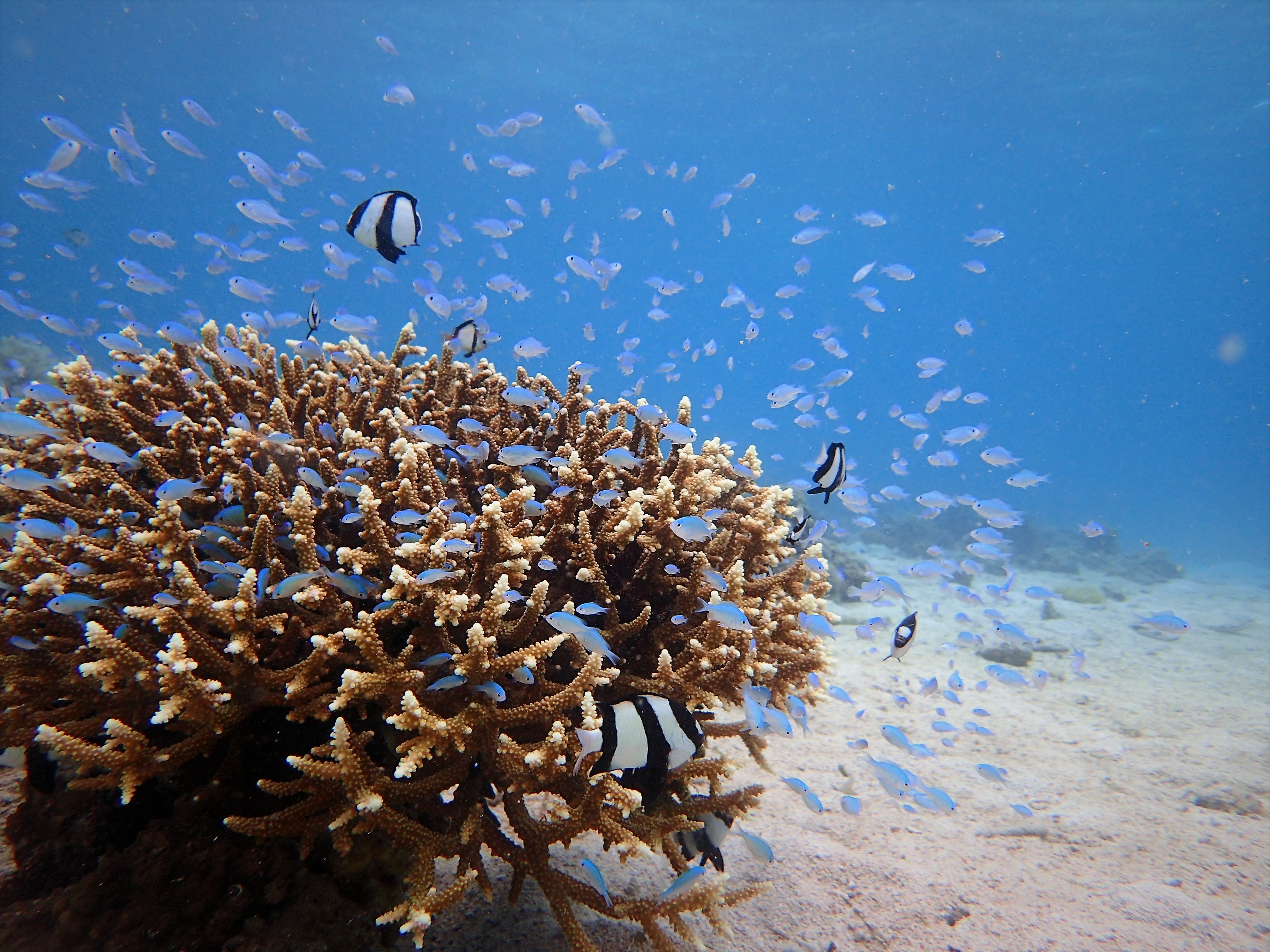
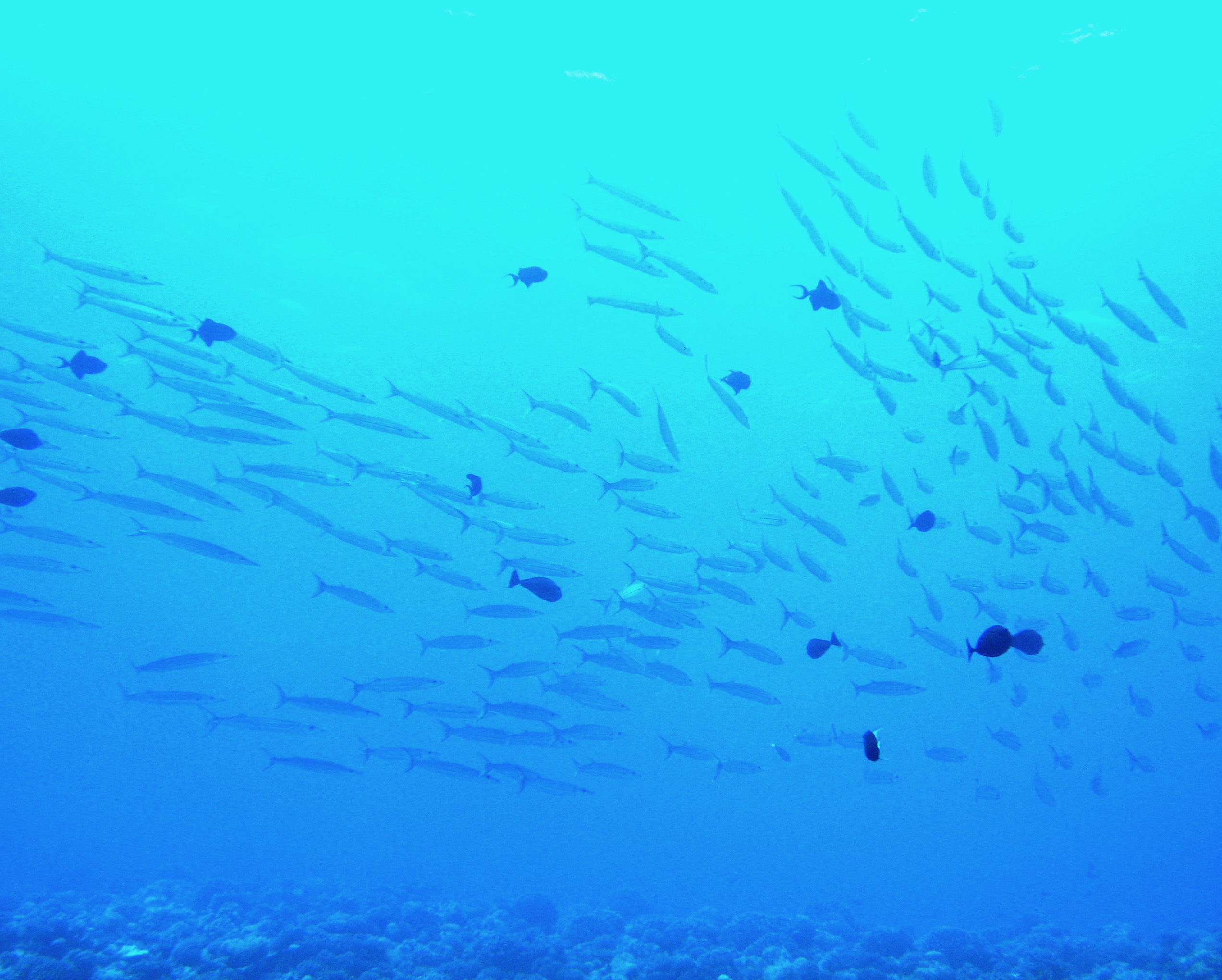
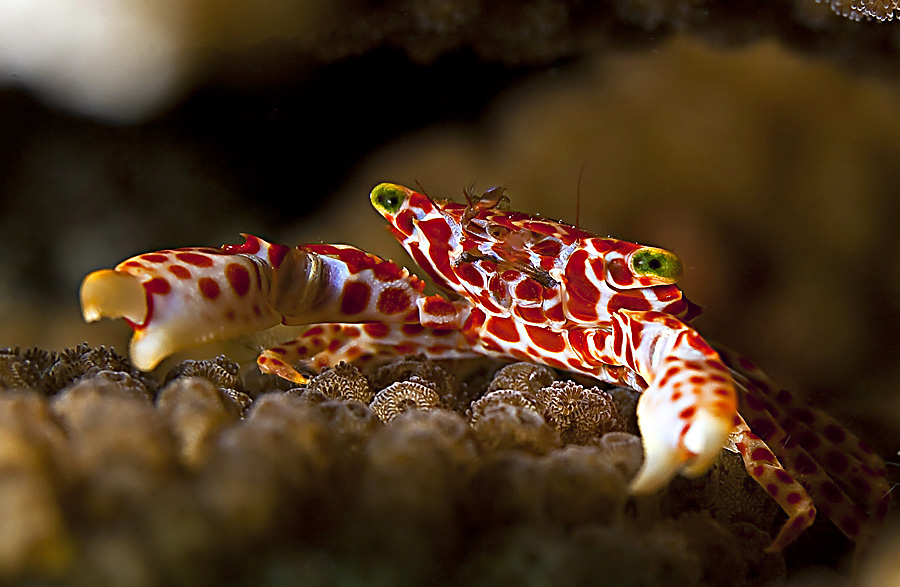
Read accessible summaries of our latest research in coral reefs.
A PNAS synthesis of 146 marine fish-community time series shows that species richness and asynchronous biomass fluctuati...
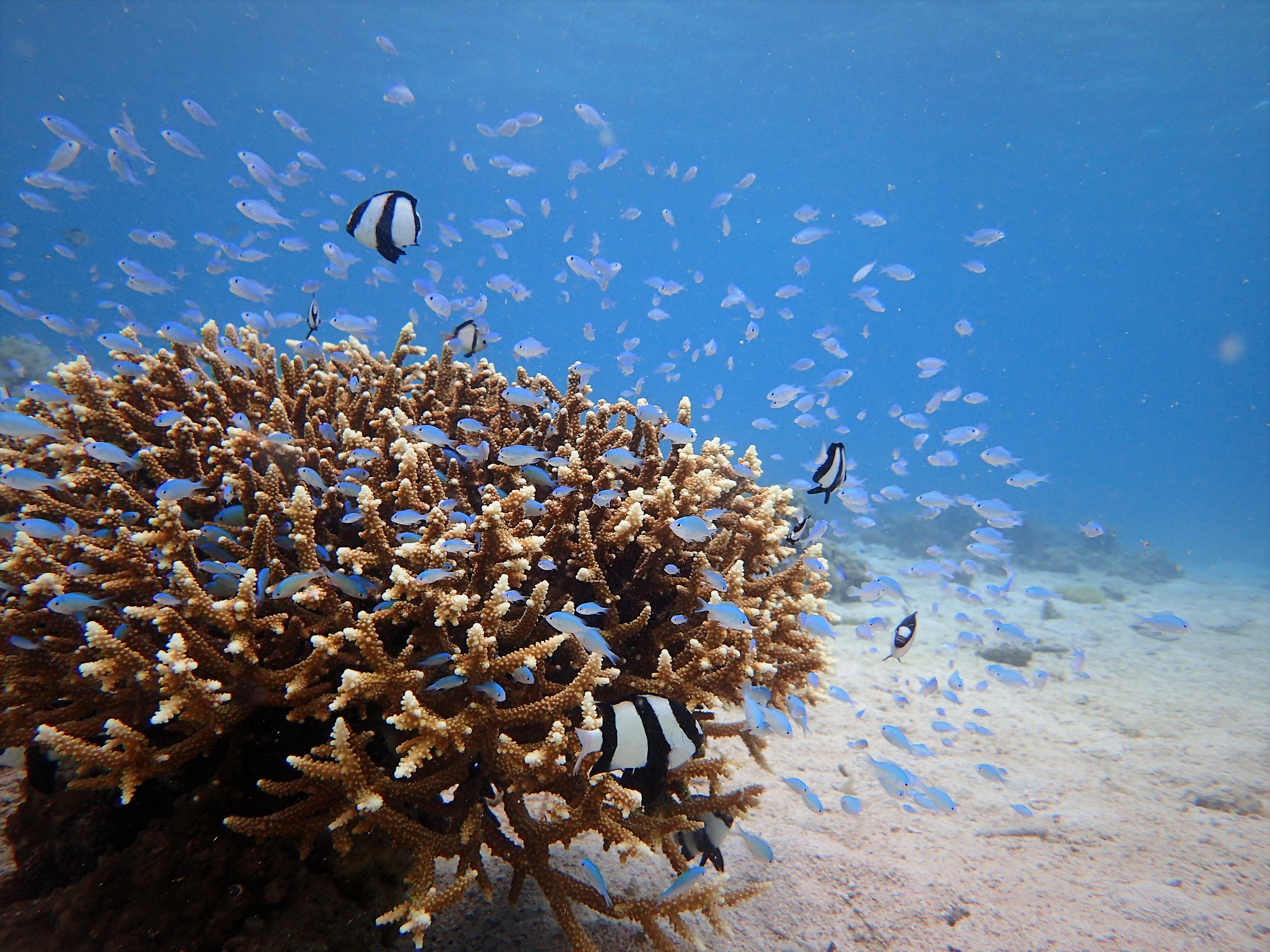
Read More In a Mo'orea experiment, corals sharing their branches with damselfish healed injuries far faster, closing large wounds ...
Read More Our model of coral-damselfish mutualisms shows that fish should evolve a strong preference for large, high-quality coral...
Read More This meta-analysis of 38 reef fish species across 56 studies shows that density-dependent mortality varies substantially...
Read More This review paper synthesizes how certain fish species that live closely with corals provide important services to their...
Read More The paper describes coral guard crabs in the family Trapeziidae, small crustaceans that live symbiotically within branch...
Read MoreExplore our other research areas or get in touch to discuss potential collaborations.