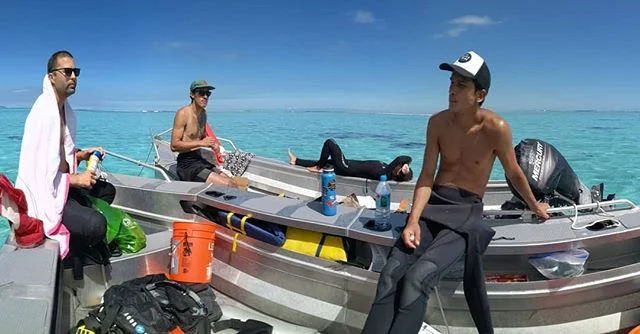
Understanding, Restoring & Scaling Ocean Resilience
We integrate ecological theory, quantitative methods, and field studies with a commitment to open science and decision support — moving insights from lab and field to classrooms, observatories, and coastal decision tables.
Three Research Pillars
Our work integrates across three interconnected approaches — from fundamental science to actionable solutions.
Ecosystem Dynamics
Standing dead coral skeletons trap reefs in degraded states. Kelp detritus prevents urchin barrens. We study how structure and food webs drive recovery—or collapse.
- Dead coral promotes algal regime shifts
- Detrital subsidies control herbivore outbreaks
- Guard crabs defend corals from crown-of-thorns
Applied Conservation
Lobster spillover from CA MPAs boosts adjacent fishery catches. We test whether protected areas deliver promised benefits—and help managers set action triggers.
- MPA spillover quantified in Santa Barbara
- Size-based lobster-urchin interaction models
- Fisheries co-management in French Polynesia
Quantitative Ecology
Body-size scaling predicts predator-prey interaction strength across species. We build models that forecast ecosystem change from measurable traits.
- Size-scaling laws for interaction strength
- Bayesian models for long-term monitoring
- 3D reef photogrammetry at Moorea LTER
Resilience Across Scales
When ecosystems collapse—or recover—it's because processes at the individual, population, and ecosystem level align (or conflict). We organize our work around three axes:
Resistance
What prevents collapse when disturbance hits
Recovery
What controls the rate and reliability of return
Reorganization
What determines the next system when return isn't possible
Our Impact Pathway
Research flows through four connected stages, each building on the last to create real-world impact.
Study Systems
Two ecosystems. Two LTER sites. Two modes of collapse. By comparing fast kelp dynamics with slow coral recovery, we discover which resilience mechanisms generalize—and which are system-specific.
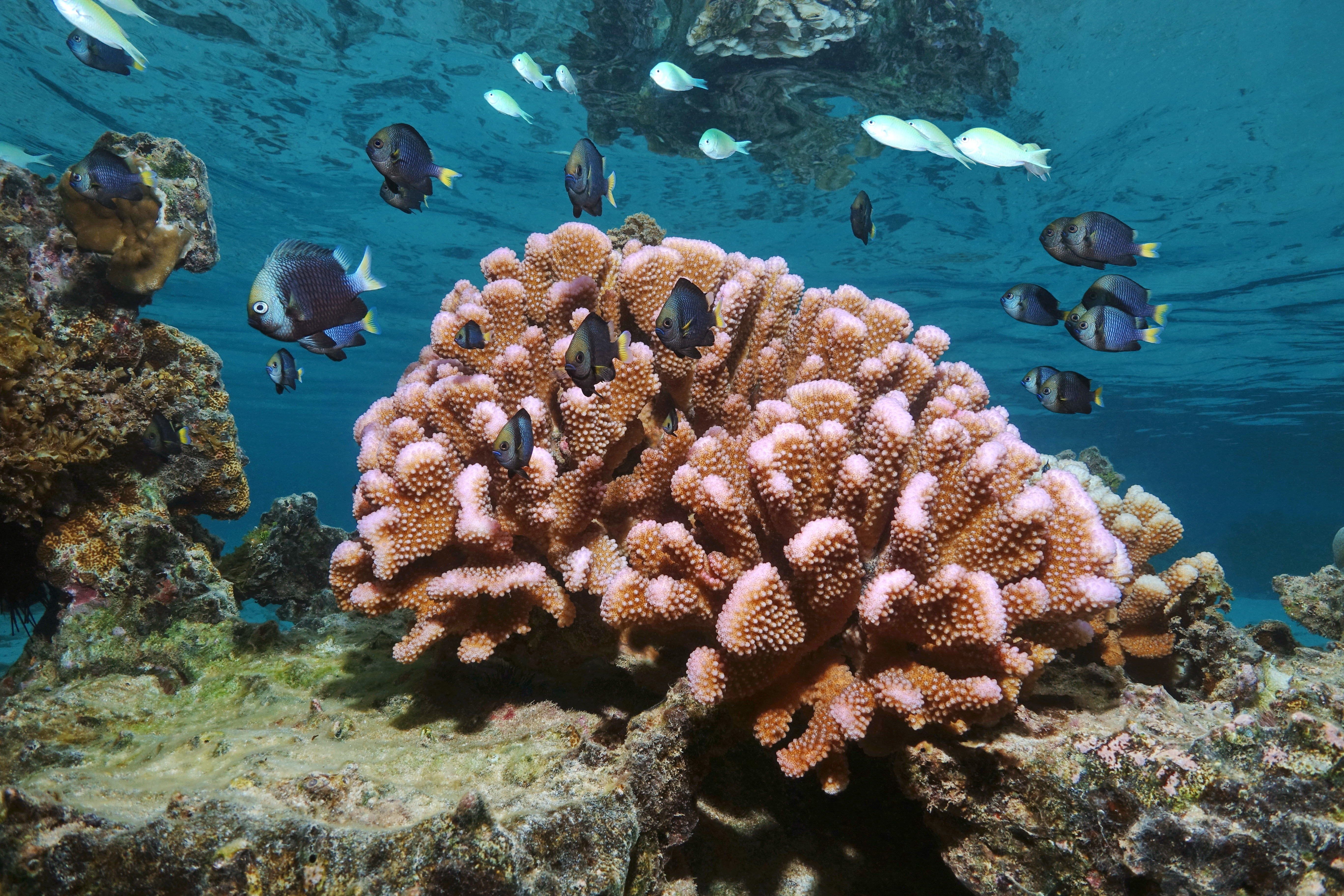
Coral Reefs
Field experiments and models reveal how biotic interactions, disturbance legacies, and species associations shape coral resilience.
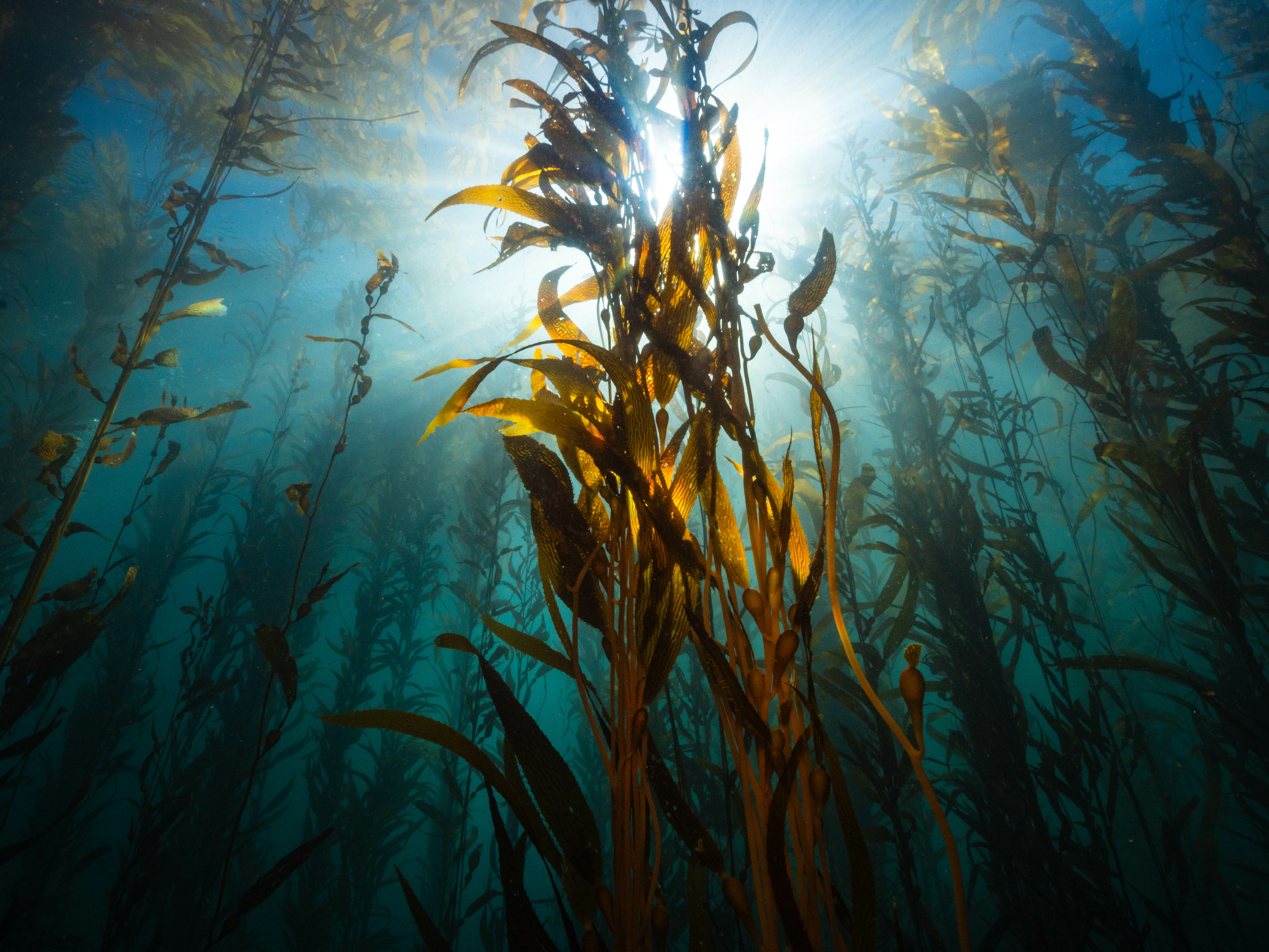
Kelp Forests
Understanding predator-prey dynamics, foundation species stability, and fisheries benefits along the California coast.
Field Sites
Research stations across the Pacific where we conduct long-term experiments and monitor ecosystem change.
Interested in Collaborating?
We work with researchers, conservation organizations, and communities worldwide. If you're interested in partnering on research or applying our findings, we'd love to hear from you.