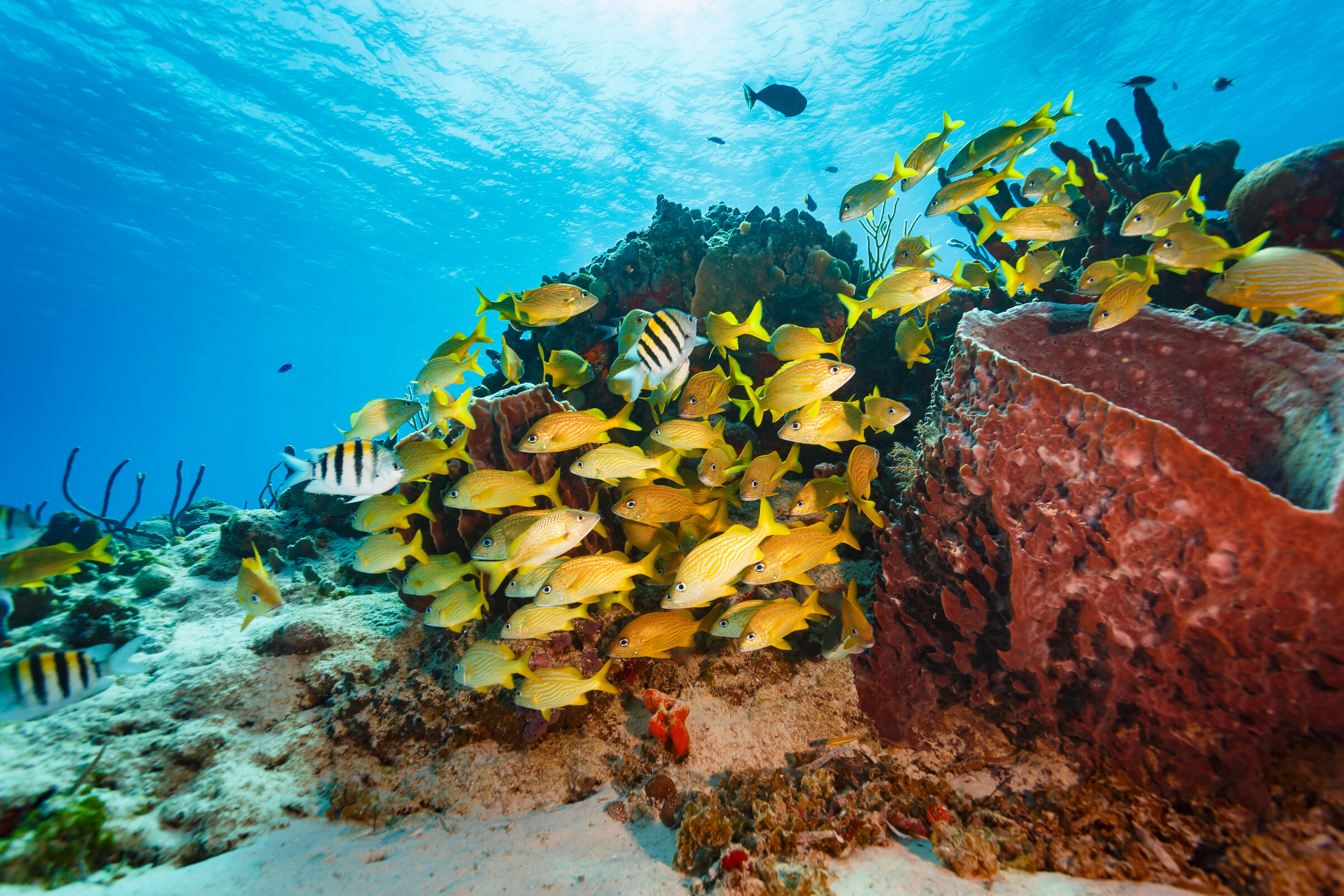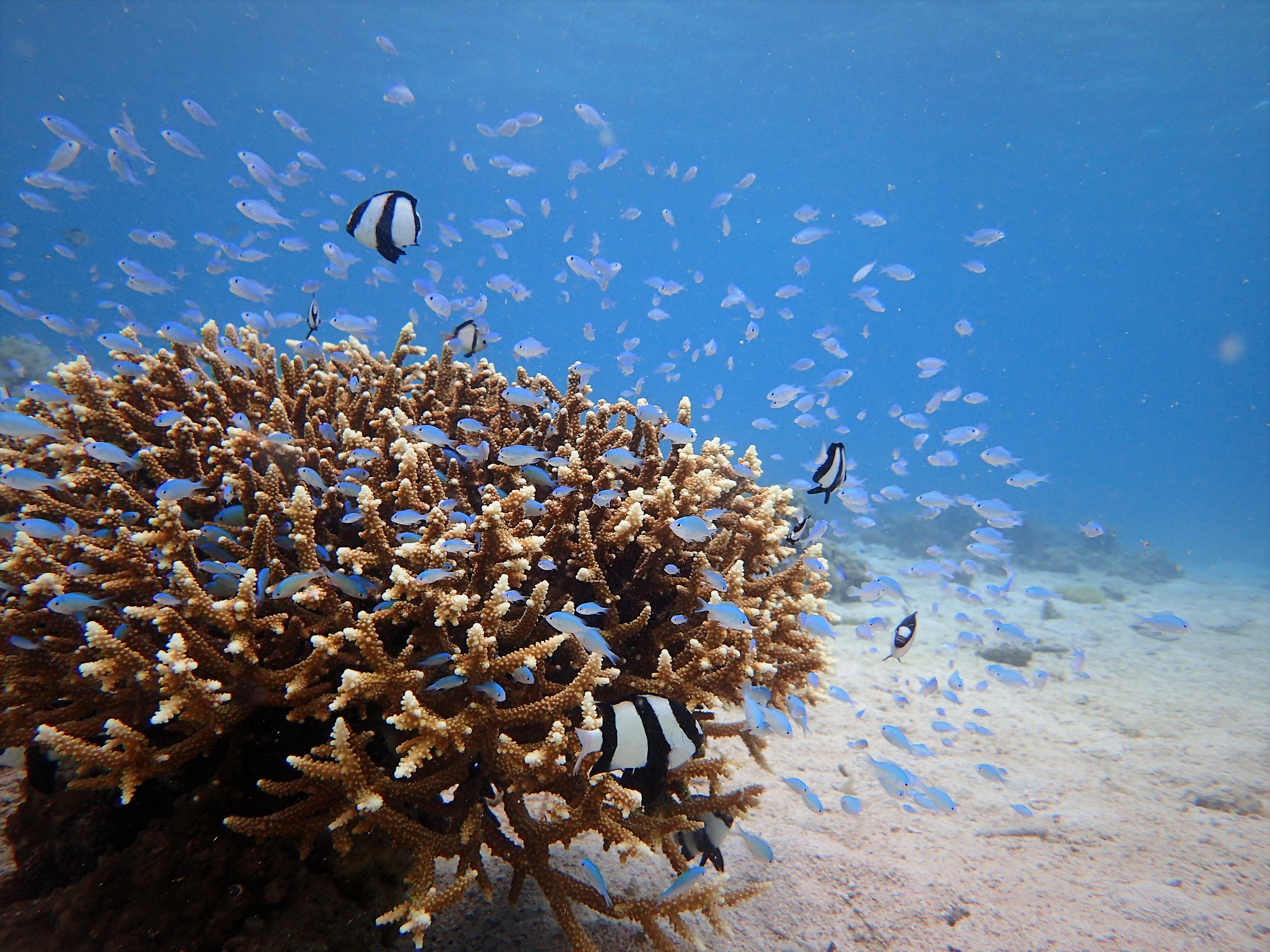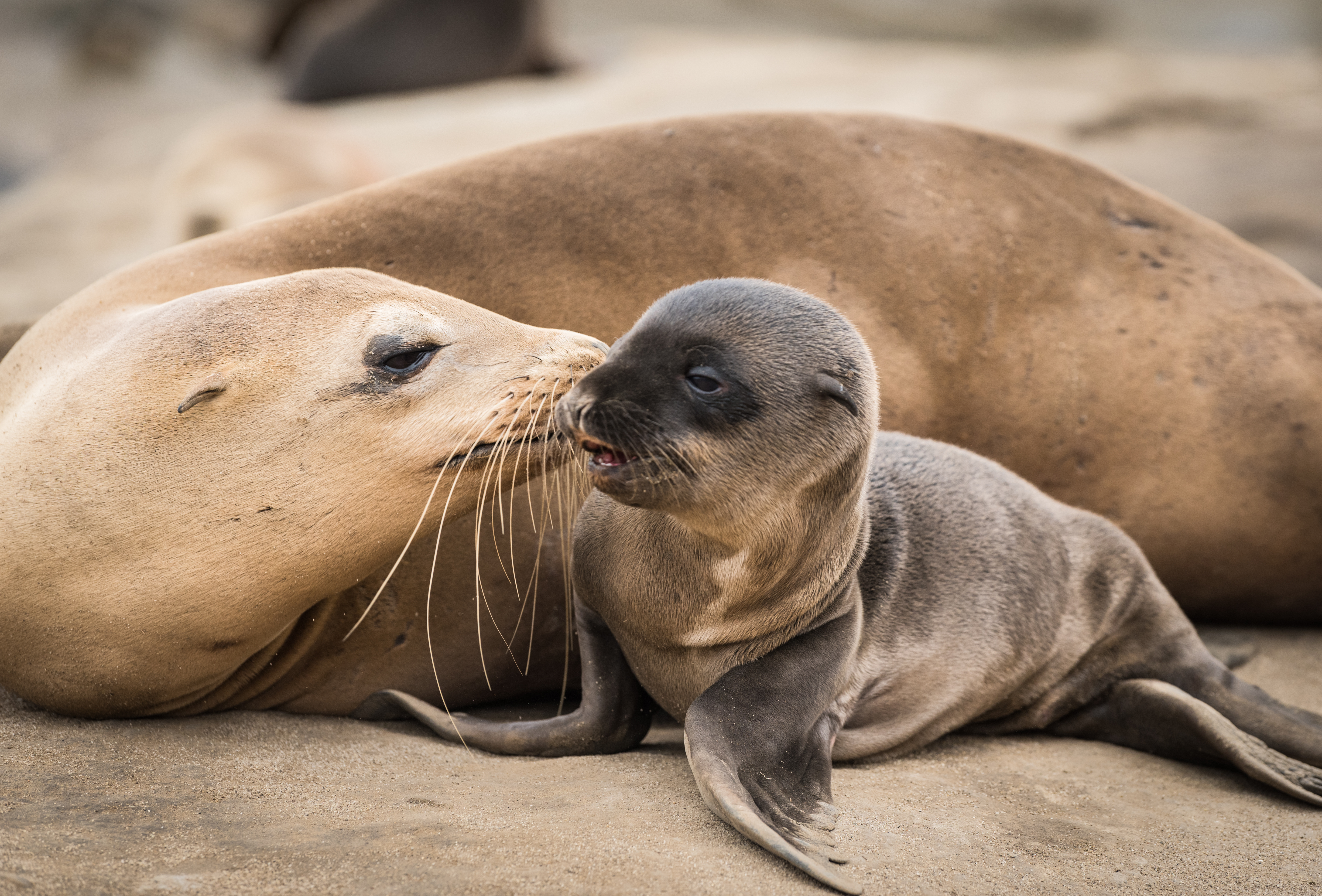
Scientists developed a new method to identify tipping points where marine ecosystems suddenly shift in response to environmental changes and human activities. They tested this approach on two decades of data from the California Current ecosystem off the U.S. West Coast. The researchers created a framework using multiple statistical models to analyze 20 years of California Current data, looking for nonlinear threshold relationships between 9 ecosystem indicators (like copepods and sea lion populations) and 16 different environmental and human pressures. Five ecosystem indicators showed threshold responses to environmental and human pressures, meaning they changed substantially once certain pressure levels were crossed. Both analytical methods agreed on two specific threshold relationships: winter copepod populations responding to habitat modification, and sea lion pup production responding to Pacific climate patterns. As many as five ecosystem indicators may exhibit threshold changes in response to negative summer Pacific Decadal Oscillation values, suggesting climate effects cascade across multiple levels of the food web. The framework successfully identified where nonlinear ecosystem responses occur, providing a new way to set reference points for ecosystem management. The research provides managers with a tool to predict when marine ecosystems might suddenly collapse or shift to new states, allowing them to intervene before crossing dangerous tipping points. It moves ocean management beyond just tracking average conditions to understanding when incremental changes might trigger large ecosystem responses.
Citation
Samhouri, Jameal F.; Andrews, Kelly S.; Fay, Gavin; Harvey, Chris J.; Hazen, Elliott L.; Hennessey, Shannon M.; Holsman, Kirstin; Hunsicker, Mary E.; Large, Scott I.; Marshall, Kristin N.; Stier, Adrian C.; Tam, Jamie C.; Zador, Stephani G. (2017). Defining ecosystem thresholds for human activities and environmental pressures in the California Current. Ecosphere.
"Five ecosystem indicators showed threshold responses to environmental and human pressures, meaning they changed substantially once certain pressure levels were crossed."
This paper is Open Access.
Cite this article
Samhouri et al. (2017). Early Warning Signals Can Help Detect Ocean Ecosystem Collapse. Ocean Recoveries Lab. https://doi.org/10.1002/ecs2.1860