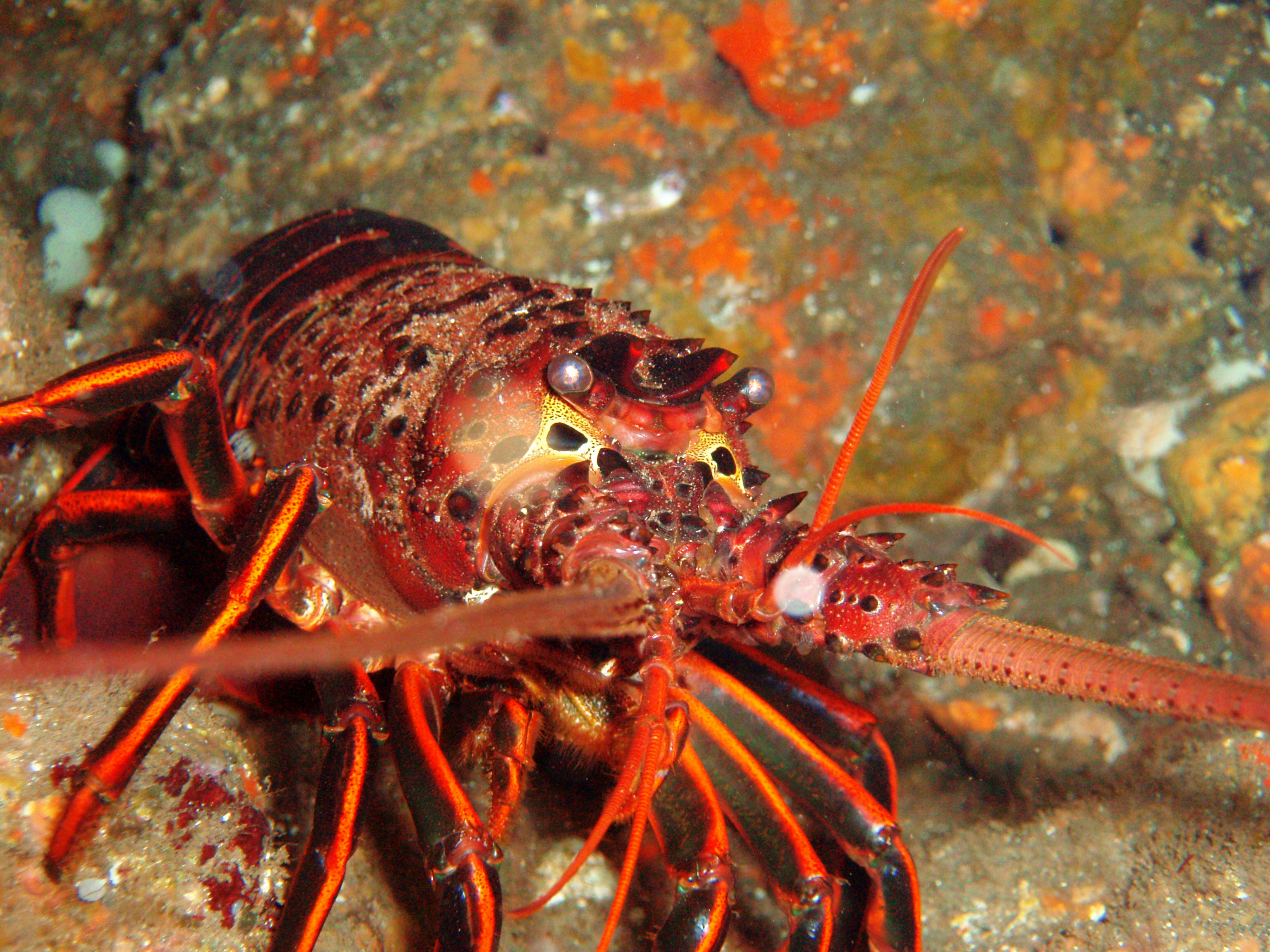
Researchers compared spiny lobster populations around California marine reserves after 10 years of protection and found that reserves not only boosted lobster numbers inside by up to 465%, but also substantially increased catches for fishers working just outside reserve boundaries. Researchers repeated a scientific trapping study from 2008, placing scientific traps along gradients from deep inside two Channel Islands marine reserves to reference sites far outside the boundaries, comparing catch rates and lobster biomass after 10 additional years of protection. Legal-sized lobster abundance in traps increased by 125%-465% deep inside reserves over the 10-year period. Catch rates increased by 223%-331% at sites near reserve borders and by nearly 400% just outside reserve borders. Similar large increases were observed in total lobster biomass caught in traps at both study reserves. The spillover effect grew substantially stronger over time as lobster populations built up inside the protected areas. The research provides rare long-term evidence that marine reserves can deliver on their promise to benefit fisheries, showing that short-term costs to fishers can turn into substantial long-term gains as protected populations rebuild and spill over into fishing areas.
Citation
Lenihan, Hunter S.; Fitzgerald, Sean P.; Reed, Daniel C.; Hofmeister, Jennifer K. K.; Stier, Adrian C. (2022). Increasing spillover enhances southern California spiny lobster catch along marine reserve borders. Ecosphere.
"The spillover effect grew substantially stronger over time as lobster populations built up inside the protected areas."
This paper is Open Access.
Cite this article
Lenihan et al. (2022). Lobster Catches Rose Near California Marine Reserves After a Decade. Ocean Recoveries Lab. https://doi.org/10.1002/ecs2.4110