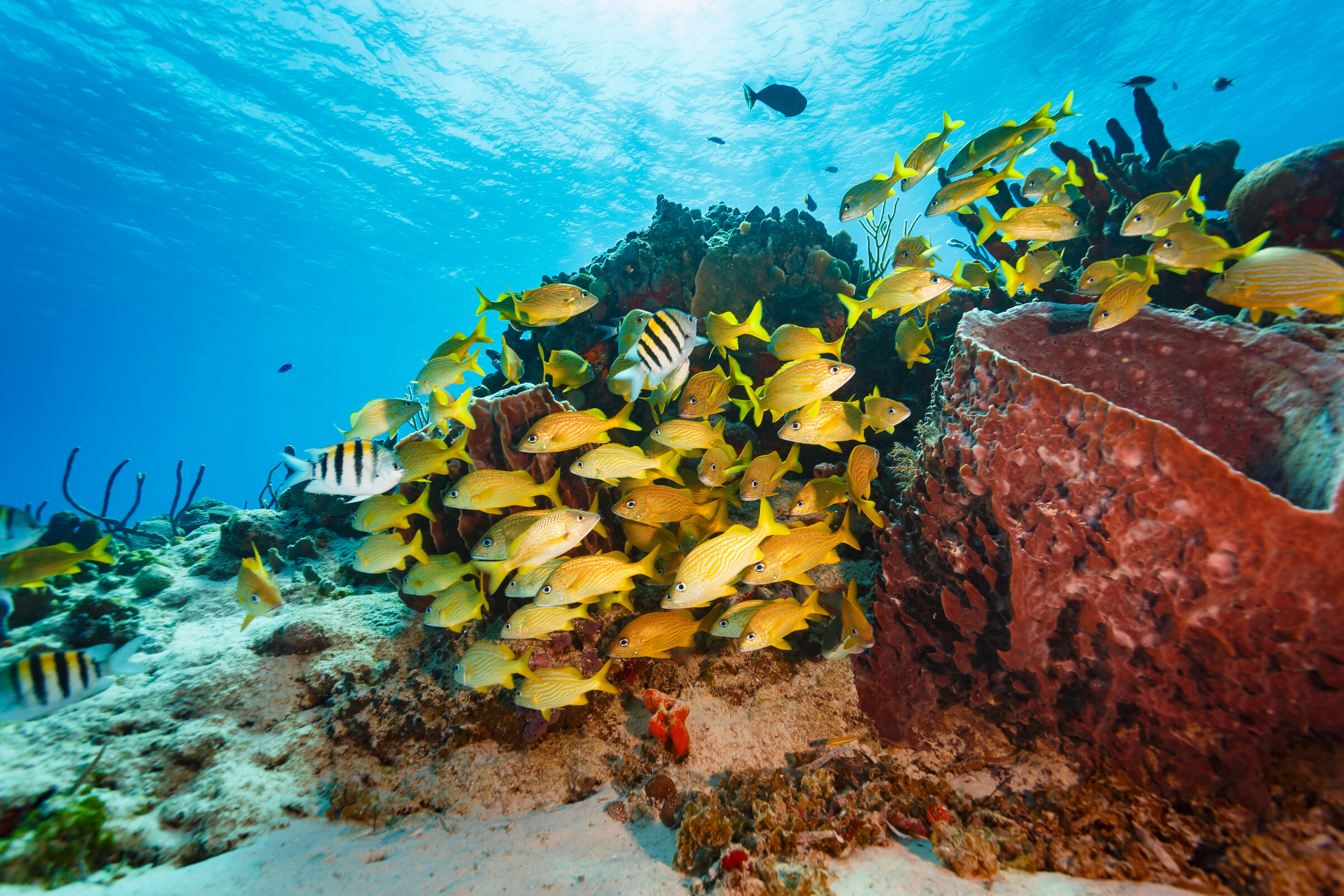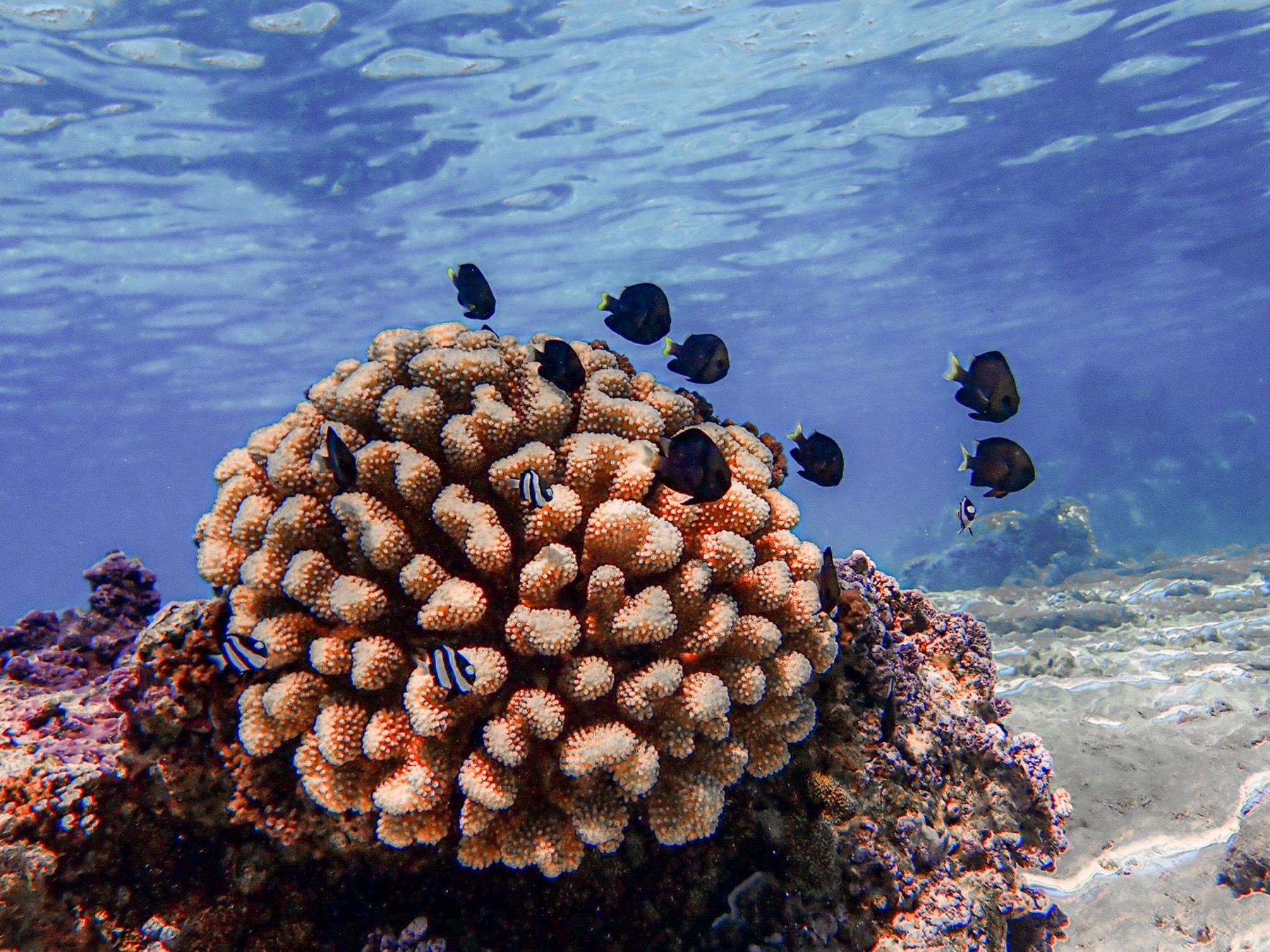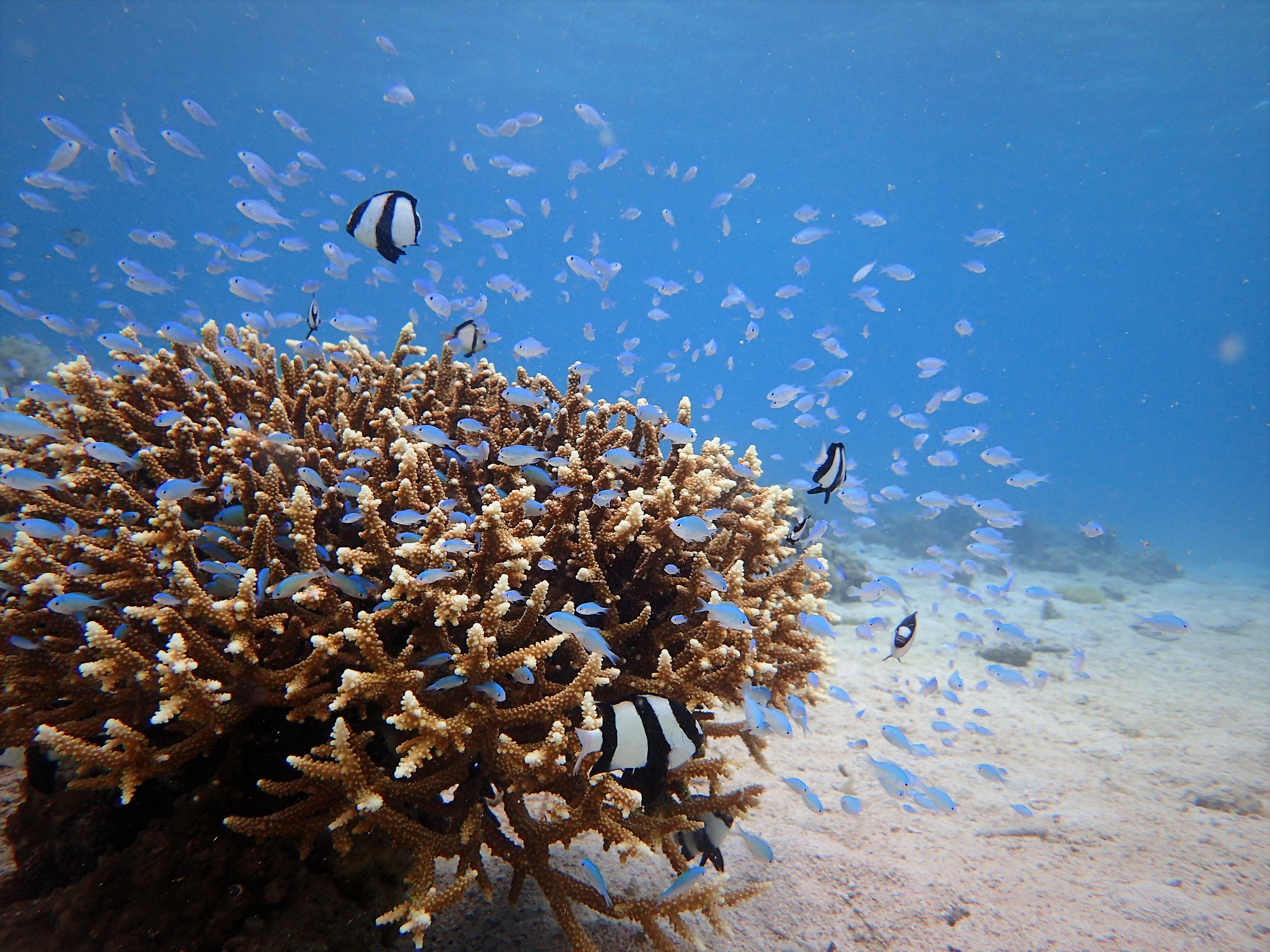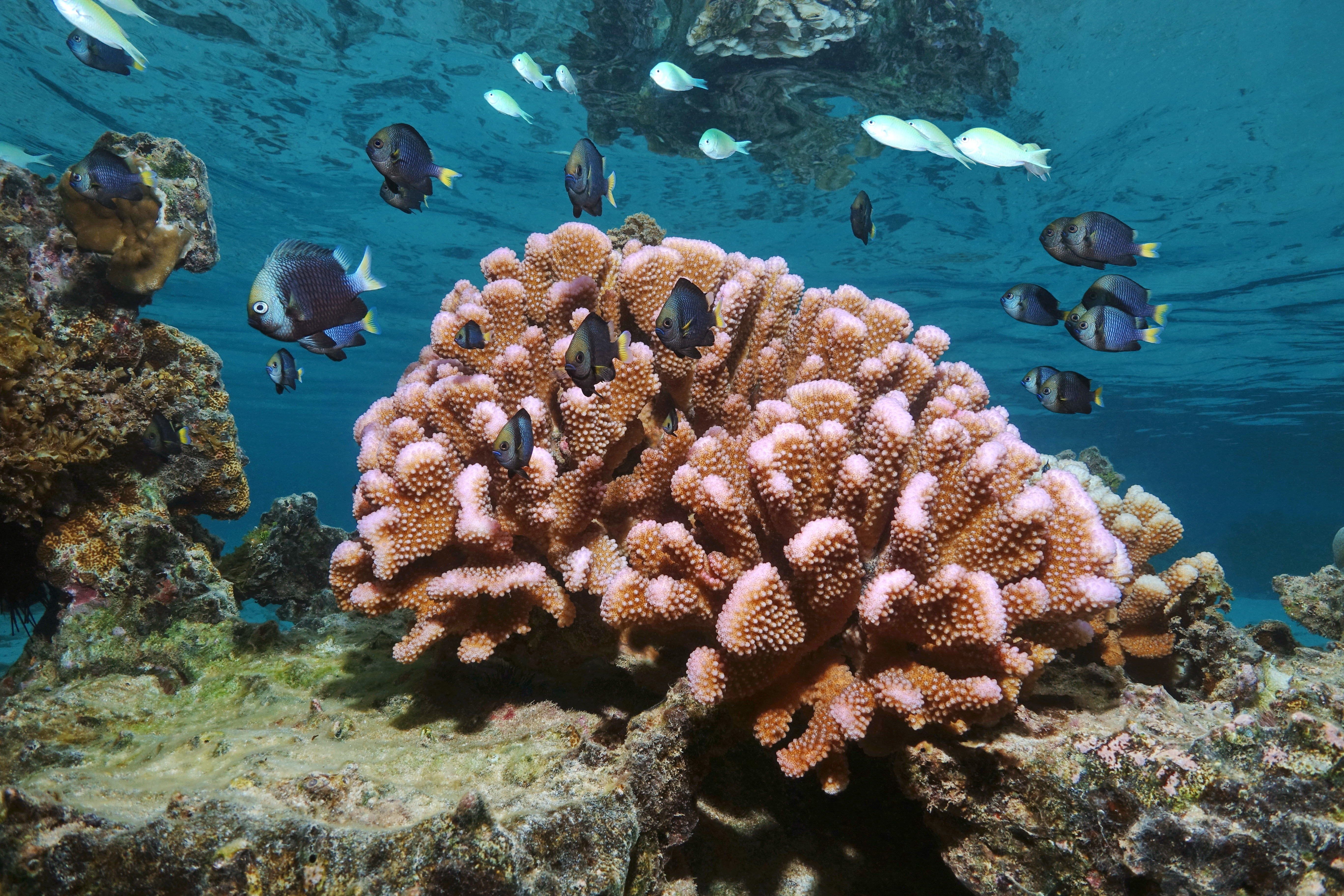
Researchers used underwater 3D photography to measure coral colonies and found it provides more accurate measurements of coral growth and better predictions of which corals harbor the most diverse communities of fish and invertebrates compared to traditional measuring techniques. Researchers measured 60 Pocillopora coral colonies in Moorea, French Polynesia using both traditional tape measures and 3D photogrammetry. They tracked growth over 105 days and counted the fish and invertebrates living in each colony to see which measurement method better predicted biodiversity. 3D photogrammetry measurements of coral skeletal volume were the best predictors of fish and invertebrate abundance and diversity within coral colonies. Photogrammetric growth measurements were much less variable than manual measurements; skeletal volume measurements had a standard deviation of only 9.99% compared to 23.9% for manual ellipsoid measurements. Over a third of manual growth measurements were negative (13 out of 33 colonies), while only 4 out of 33 photogrammetric measurements and zero skeletal volume measurements were negative. All photogrammetric growth measurements showed the expected positive correlation with initial coral size, while manual measurements showed no correlation. The research shows that 3D photography can improve coral reef monitoring by providing more accurate growth measurements and better predictions of which corals support the most biodiversity. This could help scientists identify the most ecologically valuable coral colonies for conservation efforts and track reef health more precisely as climate change threatens coral ecosystems.
Citation
Curtis, Joseph S.; Galvan, Journ W.; Primo, Alexander; Osenberg, Craig W.; Stier, Adrian C. (2023). 3D photogrammetry improves measurement of growth and biodiversity patterns in branching corals. Coral Reefs.
Cite this article
Curtis et al. (2023). Underwater 3D Photography Improves Coral Growth Measurements. Ocean Recoveries Lab. https://doi.org/10.1007/s00338-023-02367-7