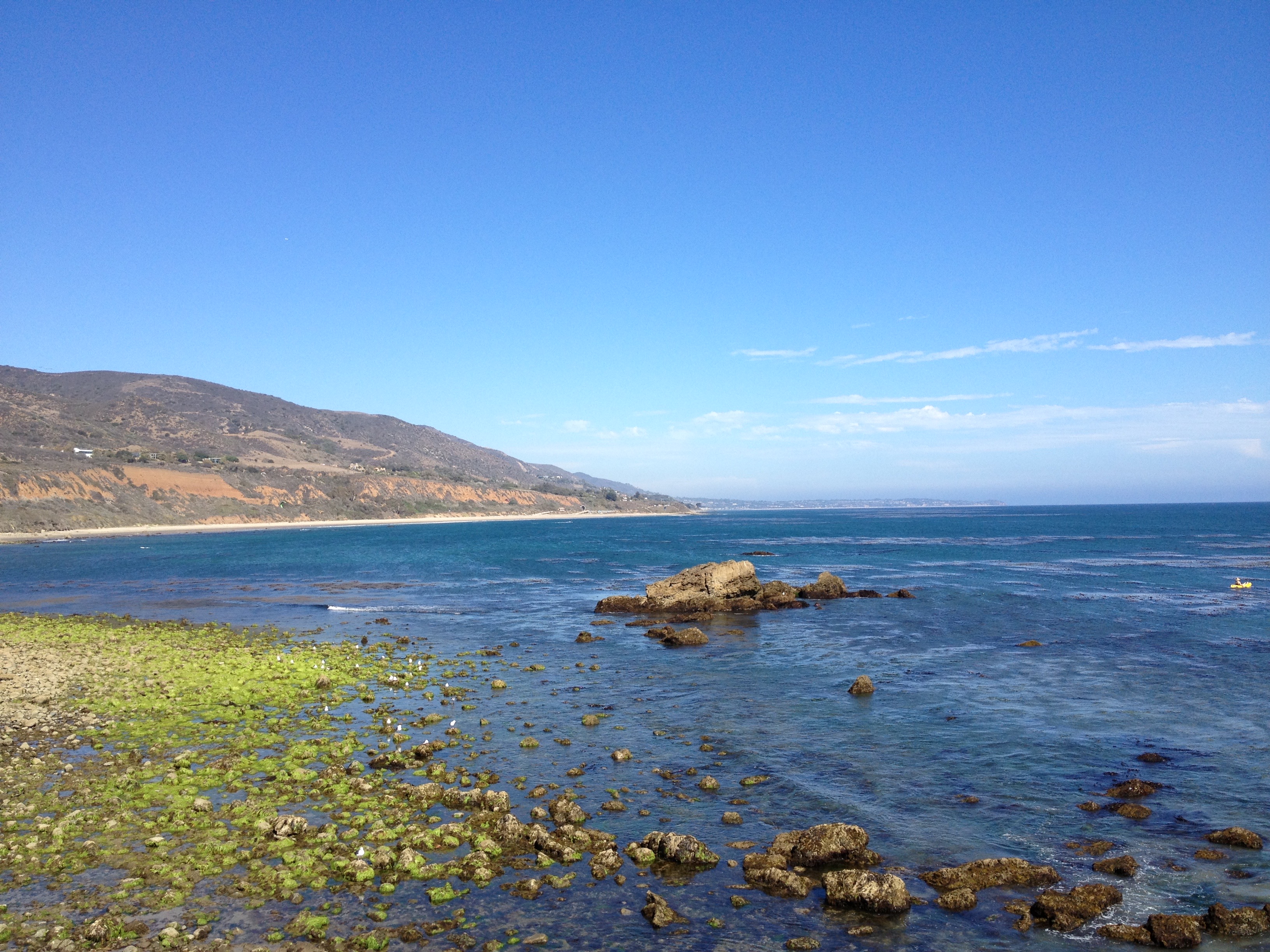
We studied whether Marine Protected Areas established in 2012 along California's mainland coast would benefit the local spiny lobster fishery. The California spiny lobster fishery was already considered relatively sustainable, raising questions about whether closing sections of coast to fishing would make a difference.
The study tested whether MPAs would lead to increased lobster biomass and density inside protected areas, which in turn would lead to increased landings despite reduced fishable area. Researchers combined underwater diver surveys of fixed plots inside and outside MPAs with analysis of commercial fishing data from four fishing blocks - one containing two MPAs and three without protection.
Lobster biomass increased significantly in both protected and fished areas over six years, but increases within MPAs were threefold higher for density compared to fished areas. More importantly for the fishing industry, total lobster catch in the fishing block containing MPAs increased by 225% despite losing 35% of its fishable area to the new reserves. Across the entire study region, annual catch increased by 57% while fishing effort increased by 73%.
Catch-per-unit-effort remained essentially unchanged in the block with MPAs even as total catches more than doubled, indicating that increased catches resulted from fishers more than doubling their effort rather than lobsters becoming easier to catch. This pattern suggests that as lobster populations built up inside protected areas, animals began spilling over into fishing zones where they could be harvested.
These results provide rare quantitative evidence that Marine Protected Areas can deliver on promises to both conserve marine life and enhance fisheries. Only two previous studies have documented net gains to lobster fisheries from spillover, both in heavily exploited systems. Our findings suggest that even in relatively sustainable fisheries like California's, strategic placement of no-take zones can create benefits for both conservation and fishing communities.
We observed increased lobster abundance throughout the region, which may be related to factors they did not test. Questions remain about long-term sustainability of these gains and the specific mechanisms driving spillover patterns.
Citation
Lenihan, Hunter S.; Gallagher, Jordan P.; Peters, Joseph R.; Stier, Adrian C.; Hofmeister, Jennifer K. K.; Reed, Daniel C. (2021). Evidence that spillover from Marine Protected Areas benefits the spiny lobster (Panulirus interruptus) fishery in southern California. Scientific Reports.
This paper is Open Access.
Cite this article
Lenihan et al. (2021). California's Ocean Reserves Deliver Fishing Bonanza, Tripling Lobster Catch Despite Closing Fishing Grounds. Ocean Recoveries Lab. https://doi.org/10.1038/s41598-021-82371-5