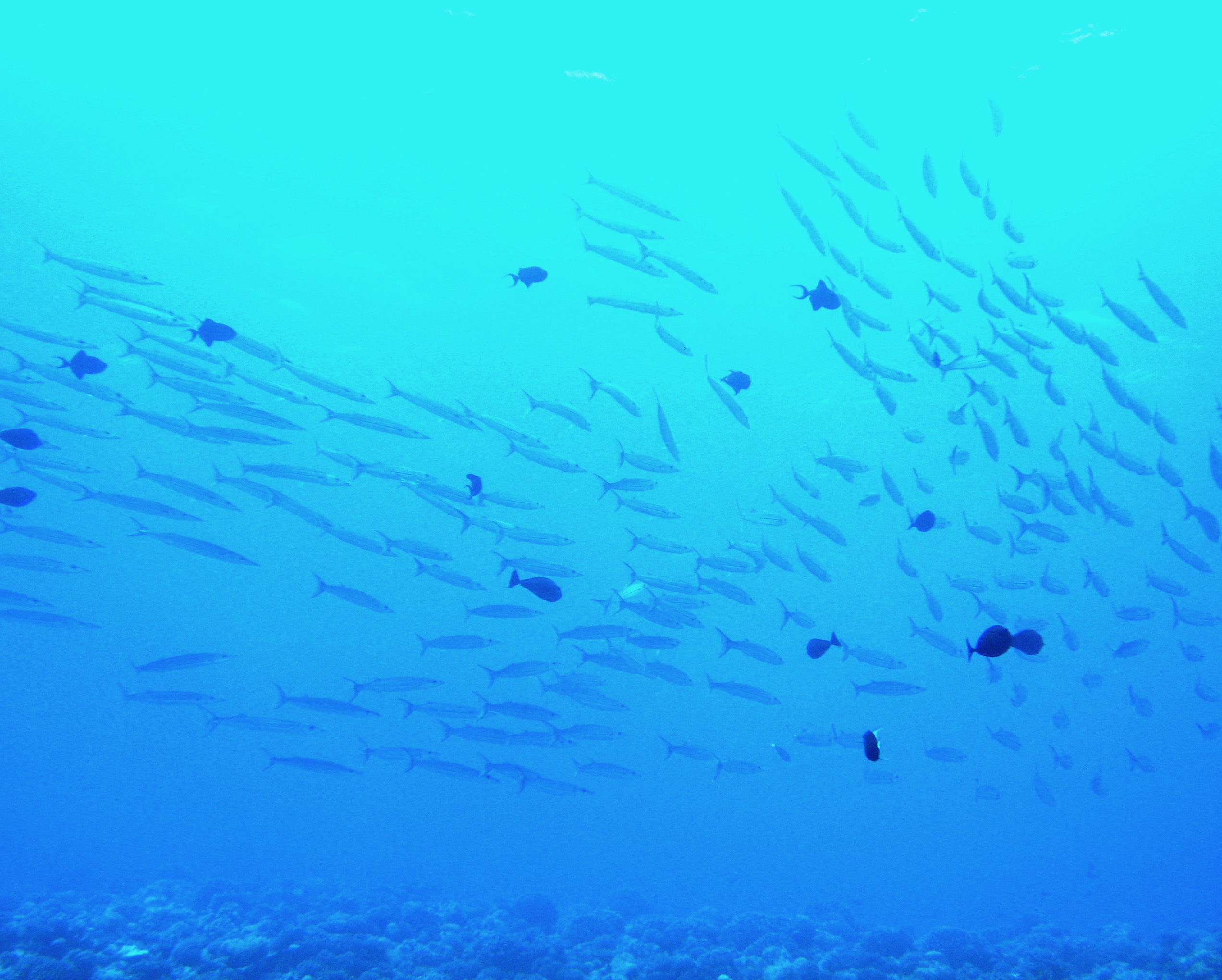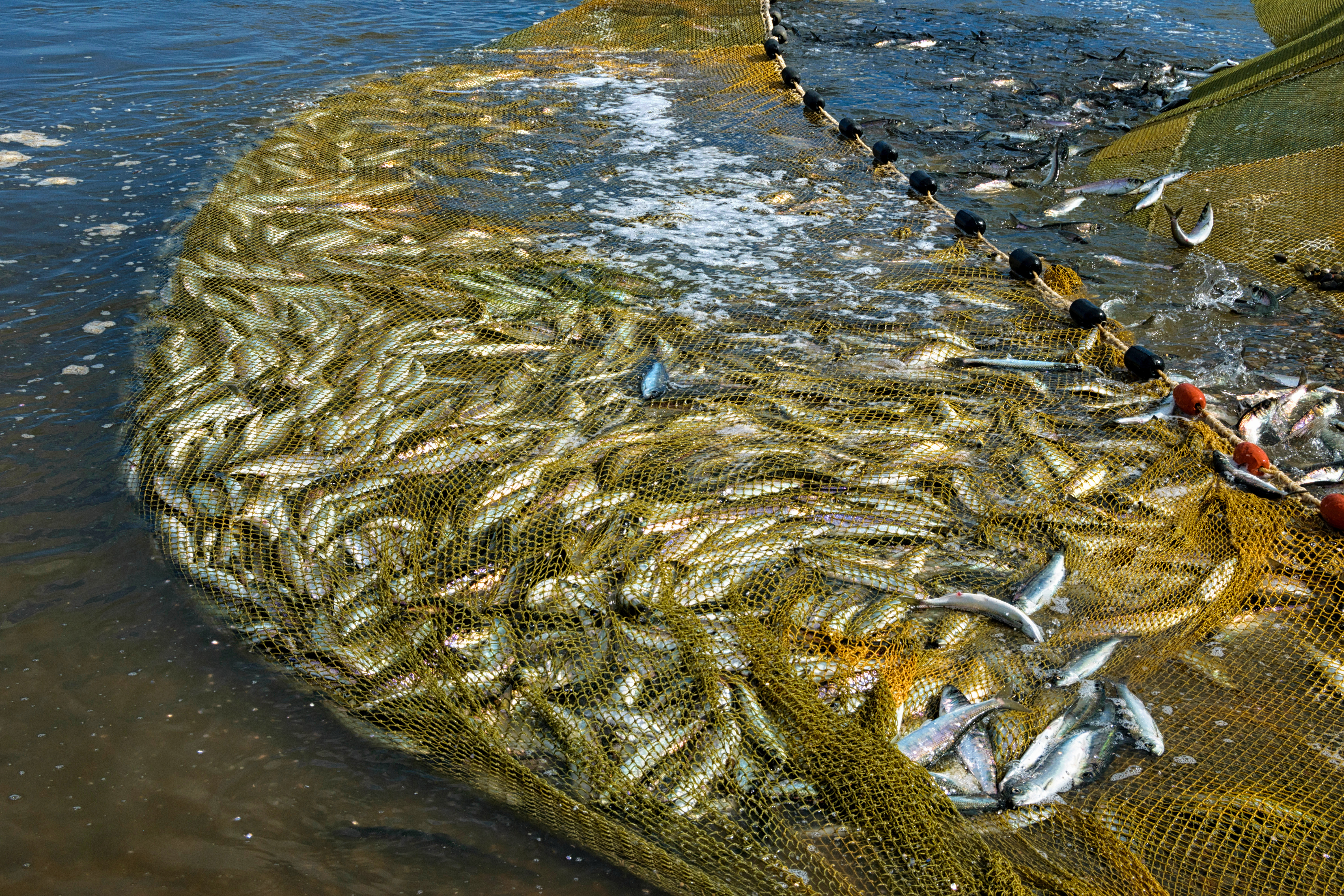
We studied Pacific herring populations across British Columbia's coastline and discovered something more insidious than the usual story of fishing pressure and population decline: entire local populations were collapsing while regional assessments suggested everything was fine.
We wanted to understand why so many exploited species have suffered unanticipated declines despite harvests that appeared sustainable. The problem seemed to lie in spatial mismatches - where the scale of management doesn't match the scale of the actual biological and social processes. They developed three different modeling approaches: theoretical equations to show when and how this happens, analysis of real herring data from British Columbia, and numerical simulations to test potential solutions.
Our models revealed that harvesting metapopulations actually magnifies spatial variability, creating discrepancies between regional and local trends while increasing risk of local population collapses. The mathematics showed something counterintuitive: spatial complexity can promote stability at large scales, but ignoring this complexity produces cryptic and negative consequences for people and animals that interact with resources at small scales. When they analyzed the herring data, they found exactly this pattern playing out in real populations.
The impacts were asymmetric. Mobile commercial fishing fleets can move between areas when local populations decline, but Indigenous fishers are constrained to local areas where they harvest herring eggs as an important food, trade, and cultural resource. Marine predators face similar constraints.
The implications extend far beyond herring. These spatially isolated collapses can have far-reaching consequences when species play indispensable roles in local social-ecological systems, including human communities with limited capacity to forage over wide geographic scales. The numerical management strategy evaluation showed that dynamically optimizing harvest can minimize local risk without sacrificing yield, suggesting that solutions exist.
The research highlights the need to implement multiple nested scales of management in practice - a challenge that's as much about politics and institutions as it is about marine biology.
Citation
Okamoto, Daniel K.; Hessing‐Lewis, Margot; Samhouri, Jameal F.; Shelton, Andrew O.; Stier, Adrian; Levin, Philip S.; Salomon, Anne K. (2020). Spatial variation in exploited metapopulations obscures risk of collapse. Ecological Applications.
This paper is Open Access.
Cite this article
Okamoto et al. (2020). Hidden Fish Population Collapses Slip Past Regional Management, Harming Local Communities. Ocean Recoveries Lab. https://doi.org/10.1002/eap.2051