We examined scientific traps in 2018 near the borders of California's Channel Islands marine reserves and found something remarkable. This wasn't just conservation success—it was evidence that protecting ocean areas could actually boost fisheries.
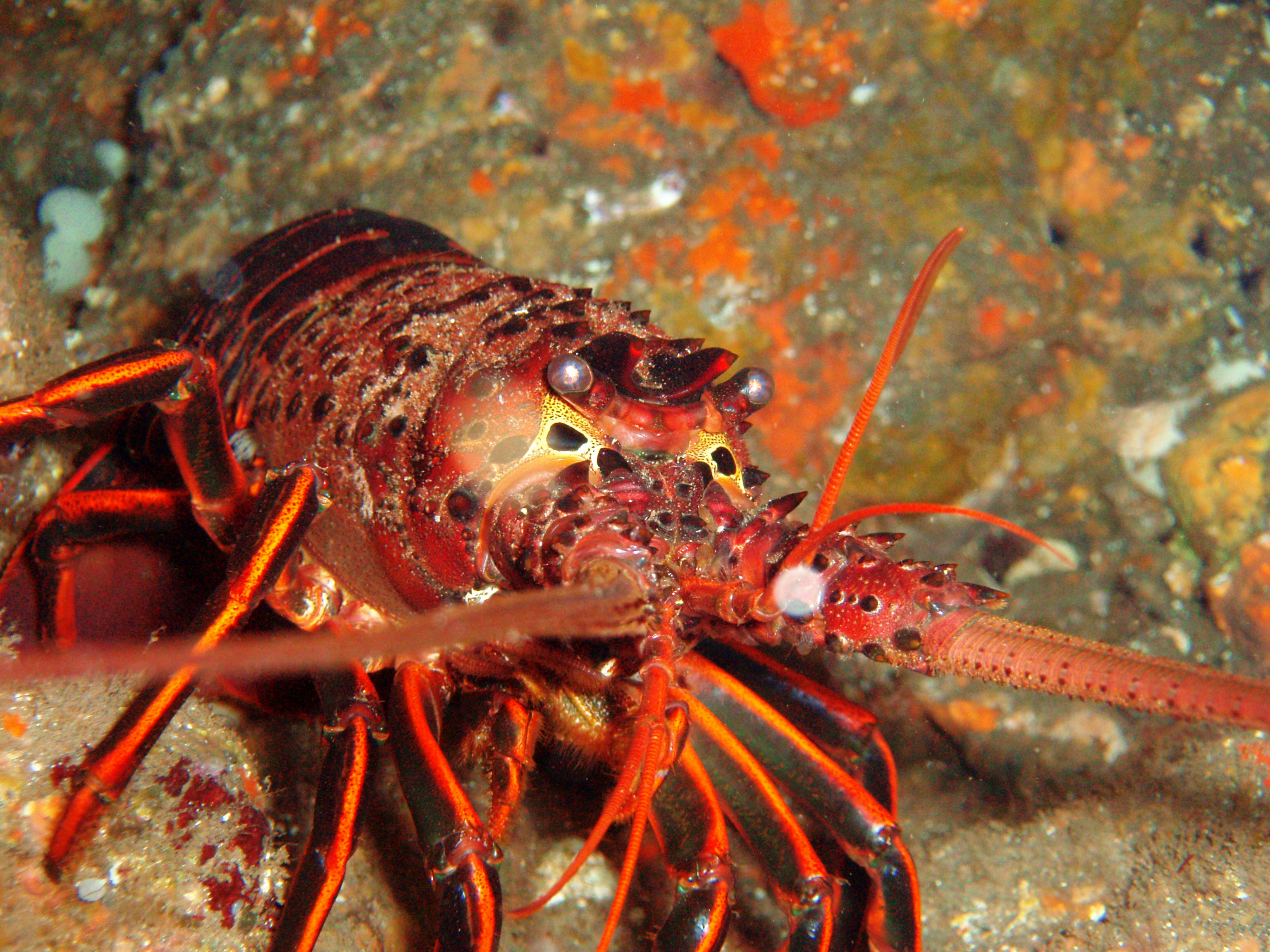
The study aimed to answer a contentious question that had divided fishers and conservationists for years: do marine reserves really benefit adjacent fisheries through 'spillover,' or do they simply lock up valuable fishing grounds? In 2003, California had established a network of no-take reserves around the Northern Channel Islands, removing about 20% of local spiny lobster fishing grounds. By 2008, researchers had already documented substantial lobster population increases within the reserves and hints of spillover. But would these benefits grow over time? They repeated their original study by placing scientific traps along spatial gradients extending from deep within two reserves to reference sites located more than 2 kilometers outside reserve borders.
The results were striking. Legal-sized lobster abundance in traps had increased by 125% to 465% deep inside the reserves over the 10-year period. But more importantly for fishers, catch rates had jumped by 223% to 331% at sites near reserve borders and by nearly 400% just outside the borders. Similar dramatic increases in total lobster biomass were observed at both reserves. The spillover wasn't just happening—it was intensifying as lobster populations built up inside the protected areas.
"We examined scientific traps in 2018 near the borders of California's Channel Islands marine reserves and found something remarkable."
The magnitude of the spillover effect and how it had grown over time was notable. The paper discusses two main spillover mechanisms: increased larval production by protected breeding populations, and juvenile and adult lobsters migrating out of reserves in search of food, habitat, or mates, or to avoid aggressive interactions.
Our research matters because it provides rare long-term empirical evidence that marine reserves can deliver on their promise to benefit fisheries. The reserve network had initially removed fishing grounds from the local industry. Our findings suggest that patience paid off—protected populations rebuilt and began spilling over into fishing areas.
Many questions remain about how spillover varies across different species, habitats, and reserve designs, and whether spillover continues to increase indefinitely. Most importantly, more long-term studies are needed to truly understand how marine reserves function as fishery management tools.
Citation
Lenihan, Hunter S.; Fitzgerald, Sean P.; Reed, Daniel C.; Hofmeister, Jennifer K. K.; Stier, Adrian C. (2022). Increasing spillover enhances southern California spiny lobster catch along marine reserve borders. Ecosphere.
This paper is Open Access.
Cite this article
Lenihan et al. (2022). Marine Reserves Pay Off: California Lobster Catches Surge 400% Near Protected Areas. Ocean Recoveries Lab. https://doi.org/10.1002/ecs2.4110