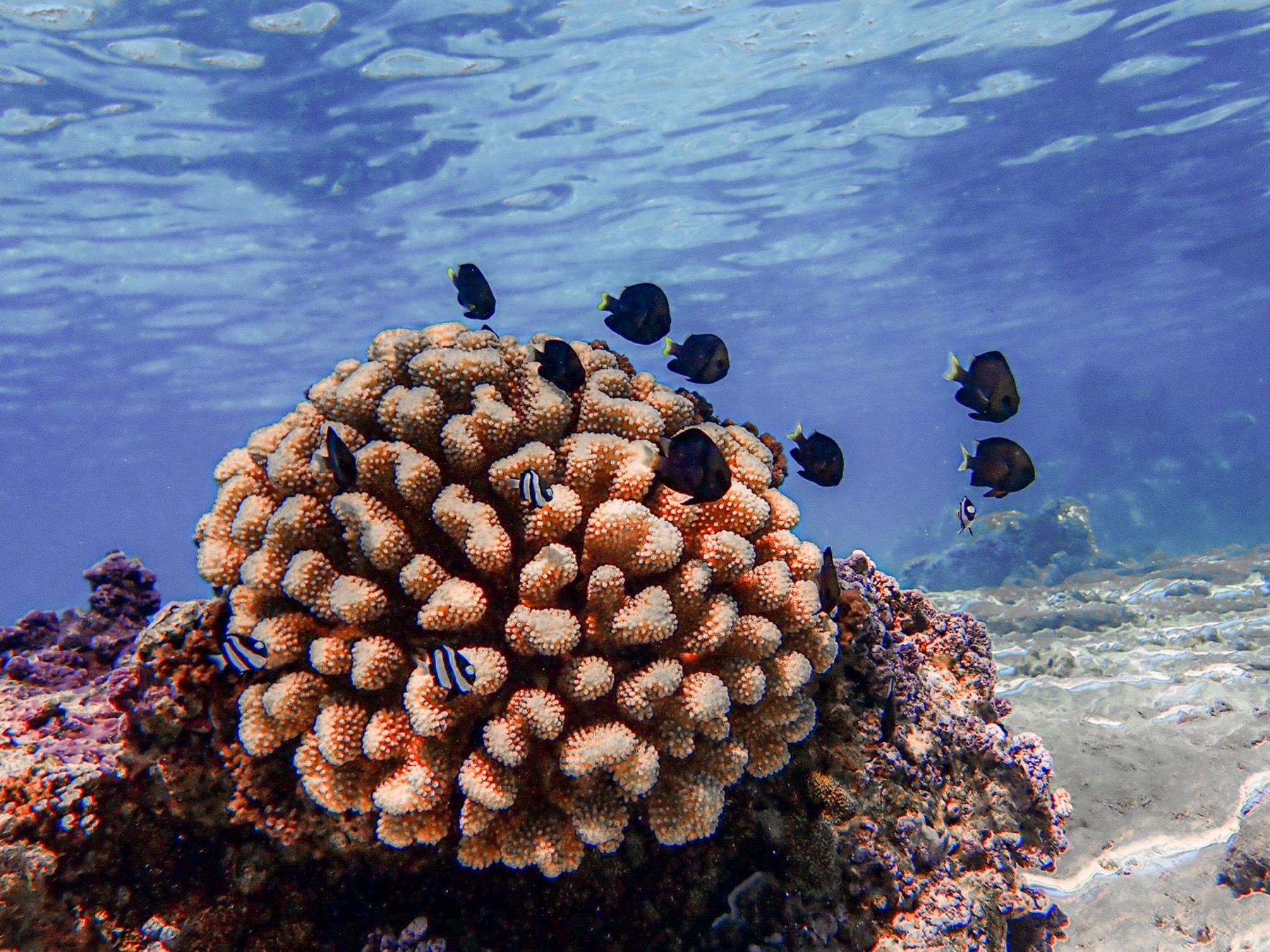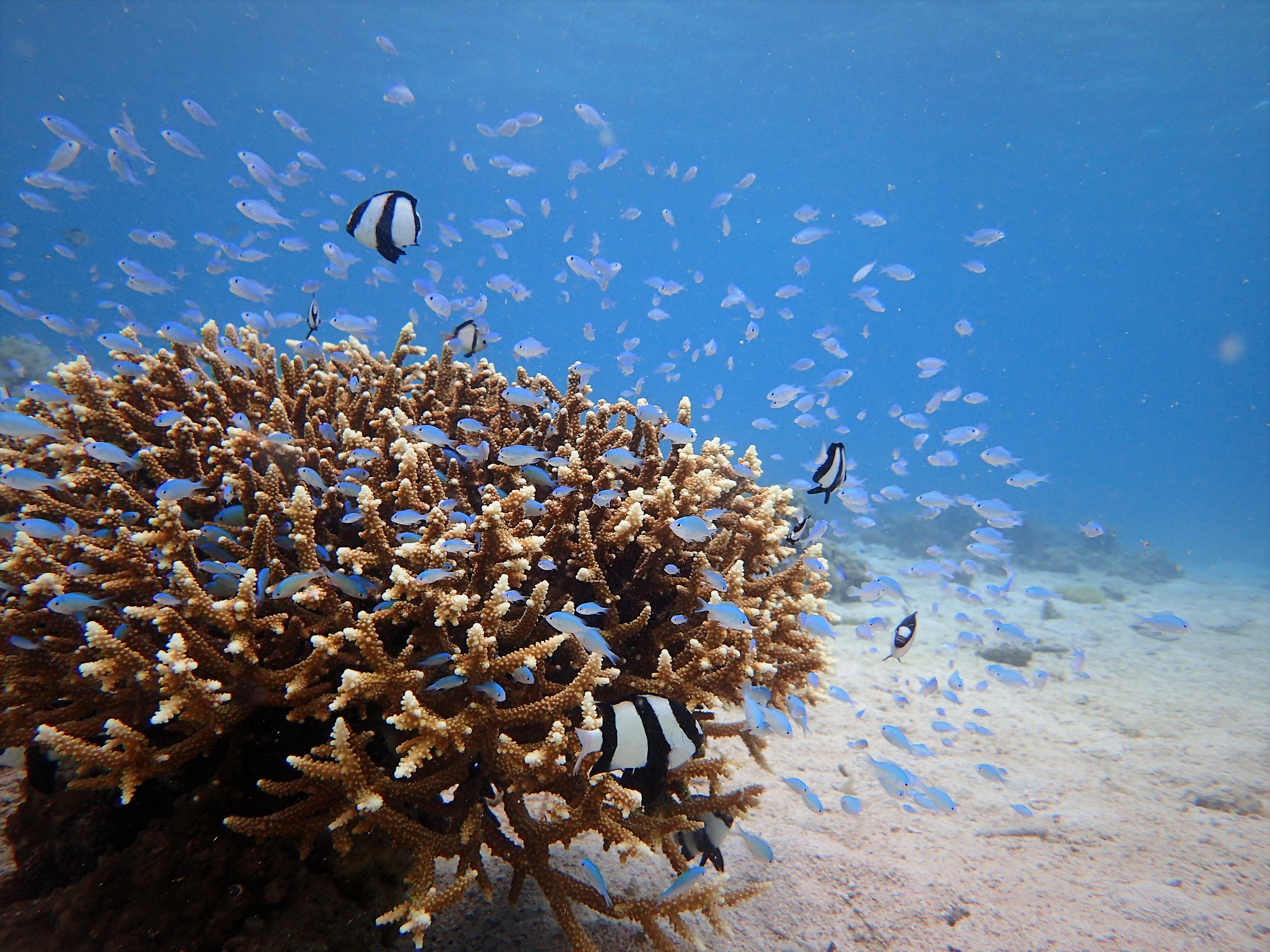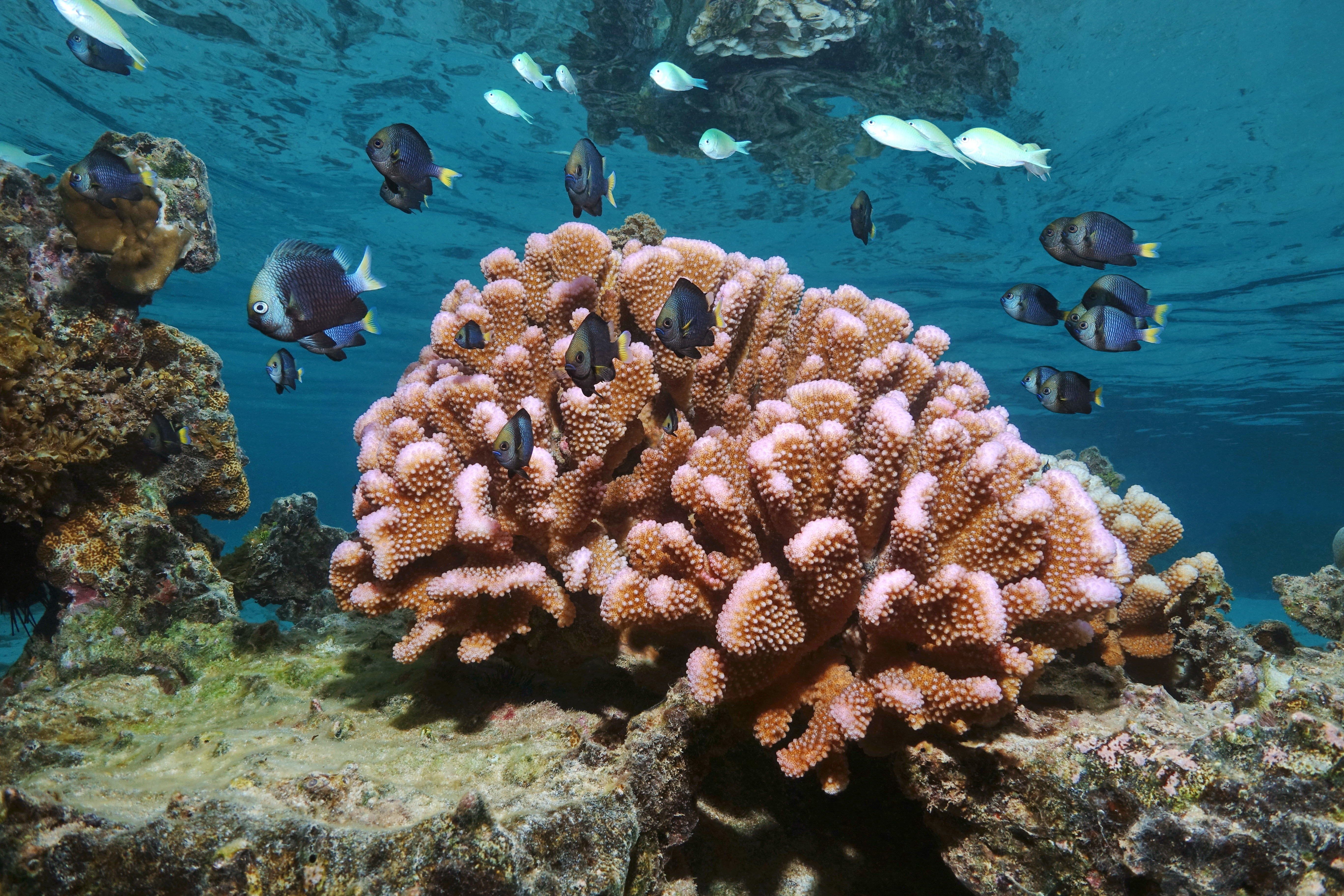
We compared traditional measuring techniques to 3D photogrammetry and found significant comparing traditional measuring techniques to 3D photogrammetry found significant differences in how accurately each method captures coral growth and predicts biodiversity. The study, conducted on 60 Pocillopora coral colonies in Moorea, French Polynesia, revealed that over a third of manual measurements suggested corals were shrinking over a 105-day period, while photogrammetric skeletal measurements showed zero instances of negative growth.
We, led by Joseph Curtis and colleagues from UC Santa Barbara and the University of Georgia, wanted to determine which measurement method better captures coral growth patterns and predicts which colonies support the most diverse communities of fish and invertebrates. They measured each colony using both flexible tape to estimate length, width, and height, and underwater photography to create detailed 3D models.
Our results demonstrated clear advantages for photogrammetric measurements. Skeletal volume measurements had a standard deviation of only 9.99%, while manual ellipsoid measurements varied by 23.9% – more than twice as much. The 3D approach also provided better predictions of biodiversity, with skeletal volume measurements reducing prediction error by about 10% compared to manual estimates. All photogrammetric methods showed positive correlation with initial colony size, while manual measurements showed no correlation.
These findings have important implications for coral reef conservation. As coral reefs face unprecedented pressure from climate change, accurate monitoring tools are essential for tracking reef health and identifying which colonies support the most biodiversity. The ability to non-destructively measure skeletal volume could transform how scientists monitor reef recovery and target protection efforts.
The research highlights both the potential and the challenges of implementing new technologies in marine ecology. While photogrammetry offers clear advantages in measurement accuracy and predictive power, scaling up these techniques to monitor thousands of colonies across entire reef systems remains a significant challenge for the conservation community.
Citation
Curtis, Joseph S.; Galvan, Journ W.; Primo, Alexander; Osenberg, Craig W.; Stier, Adrian C. (2023). 3D photogrammetry improves measurement of growth and biodiversity patterns in branching corals. Coral Reefs.
Cite this article
Curtis et al. (2023). Underwater 3D Photography Reveals Hidden Patterns in Coral Growth and Marine Life. Ocean Recoveries Lab. https://doi.org/10.1007/s00338-023-02367-7